

Packaging plays an important role in protecting products, maintaining quality, and providing a convenient storage solution. One important part of any bottle is its closure system. A closure does much more than simply cover an opening. It helps prevent leakage, limits exposure to outside contaminants, and keeps the contents protected during storage and transportation. 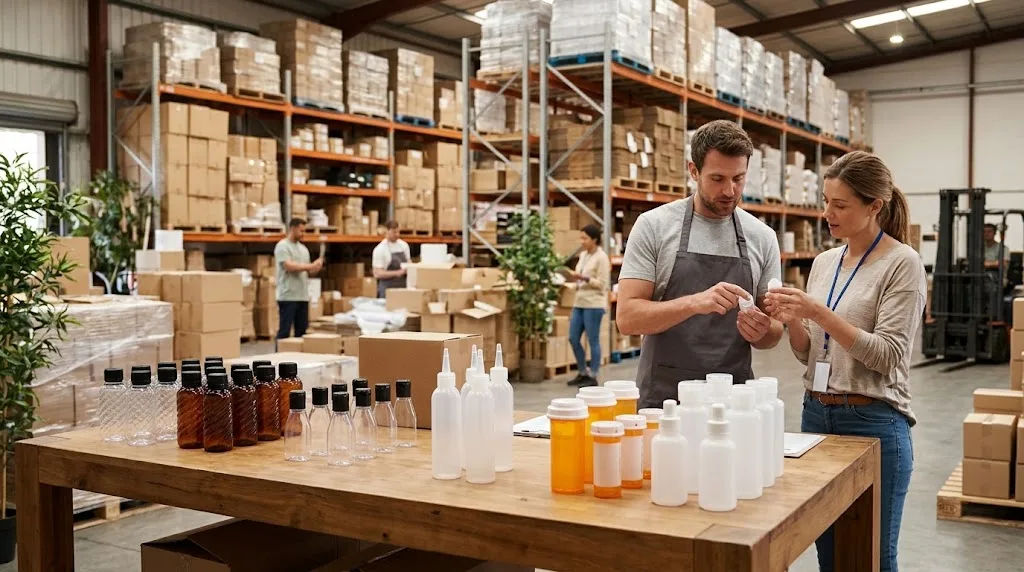 Spiral Shot Bottles 60ml are an example of packaging where the closure design is an important part of the overall bottle structure.
Understanding how bottle closures work can help consumers, packaging buyers, and businesses make better decisions. Different closure designs use different materials, sealing components, and safety features. Their performance depends on how well these components fit together and whether the closure is suitable for the product being stored.
This guide explains the general working principles behind bottle closures, the role of their individual components, the importance of sealing, and the factors that influence their performance.
Spiral Shot Bottles 60ml Closures
A bottle closure is the component responsible for covering and protecting the opening of a container. It creates a protective barrier between the contents and the surrounding environment.
In small-format packaging, closures must balance several requirements. They should provide a dependable seal, remain compatible with the bottle material, and support safe handling.
Spiral Shot Bottles 60ml use a bottle-and-closure packaging concept in which the closure is designed to fit the container's neck. The exact construction can vary depending on the manufacturer and product version.
The closure may include several components that work together to support sealing and protection.
The Main Purpose of a Bottle Closure
The primary purpose of a closure is to protect the contents inside a bottle. Without a suitable closure, products may become exposed to dust, moisture, air, or other unwanted materials.
A properly designed closure can provide several benefits:
-
Helps reduce accidental leakage.
-
Protects the bottle opening from external contamination.
-
Supports product freshness and quality.
-
Improves storage and transportation reliability.
-
Provides a protective covering for the container.
-
Supports product safety when appropriate features are included.
These functions make closures an essential part of modern packaging.
The Main Components of Bottle Closures
Bottle closures can contain multiple components. Each component has a specific purpose, and their combined performance determines how effectively the packaging protects its contents.
1. Outer Cap
The outer cap is the visible part of the closure. It covers the bottle opening and provides the main protective structure.
Caps are commonly manufactured using durable plastic materials. Polypropylene is one material frequently used in packaging because it offers useful strength, chemical resistance, and flexibility.
The design of the outer cap depends on the bottle's intended application. Some caps have smooth surfaces, while others feature textured or specially shaped exteriors.
The material and dimensions must be suitable for the container to ensure a consistent fit.
2. Bottle Neck and Threads
The neck is the upper section of the bottle where the closure connects.
In threaded packaging, the bottle neck has a specially formed external thread. The corresponding internal thread in the cap allows the two components to connect.
Thread compatibility is important because poorly matched components may produce an unreliable seal.
Manufacturers therefore consider thread dimensions, bottle-neck specifications, material properties, and production tolerances when developing packaging systems.
3. Sealing Liner
Some closures contain a sealing liner positioned inside the cap.
This component provides an additional contact surface between the cap and the bottle opening. Depending on its design, it can help reduce the possibility of leakage and improve the consistency of the seal.
Common liner materials include:
-
Foam-based materials.
-
Polyethylene.
-
Pressure-sensitive sealing materials.
-
Other packaging-grade polymers.
Not every closure uses a separate liner. Some designs rely on integrated sealing surfaces.
4. Tamper-Evident Features
Tamper-evident features help indicate whether packaging may have been opened or disturbed before reaching the consumer.
A common example is a tamper-evident band connected to the closure.
This band is designed to provide a visible indication of interference with the original packaging. Its presence can help consumers assess whether a container appears to remain in its original condition.
However, tamper evidence and leak prevention are separate functions. A package may include one feature without providing the other.
How the Closure System Works
The working principle of a bottle closure depends on the relationship between the cap, bottle neck, and sealing components.
In a threaded closure system, the cap and bottle neck are manufactured with compatible connection features. When assembled during production, these components create a connection that covers the bottle opening.
The sealing surfaces help establish a protective barrier around the opening.
The effectiveness of this system depends on several factors:
Component compatibility: The cap must match the bottle's neck dimensions and thread specifications.
Material quality: The materials must maintain their intended properties during storage and transportation.
Seal consistency: The sealing surfaces must remain properly aligned and undamaged.
Manufacturing accuracy: Small differences in dimensions can affect the performance of the complete packaging system.
These principles explain why closures should be evaluated as part of the entire packaging assembly rather than as individual accessories.
Why Sealing Quality Matters
Sealing quality is one of the most important characteristics of bottle packaging.
A poor seal can create problems even when the bottle itself is manufactured from high-quality material.
Preventing Leakage
Leakage can affect packaging appearance, cleanliness, and product quality.
During transportation, containers may experience movement, pressure changes, or temperature variations. A suitable closure helps reduce the possibility of contents escaping through the bottle opening.
The complete package must be tested under conditions appropriate to its intended application.
Limiting Contamination
An effective closure helps protect the contents from unwanted external materials.
Dust, moisture, and other environmental contaminants can affect certain products. A suitable sealing system provides an additional layer of protection.
However, a closure should not automatically be considered a guarantee of sterility or complete protection against every contaminant.
Supporting Product Quality
Some products are sensitive to environmental exposure.
Packaging manufacturers consider the product's chemical properties and storage requirements when selecting closure materials.
A compatible closure helps maintain the intended packaging conditions throughout the product's expected storage period.
Child-Resistant and Safety Features
Safety is another important consideration when evaluating small bottles.
Certain packaging applications require child-resistant closures. These systems are designed to make access more difficult for young children while remaining suitable for their intended adult users.
It is important to distinguish child-resistant packaging from ordinary closures.
A standard cap does not automatically provide child resistance. Similarly, a tamper-evident feature does not prove that a package meets child-resistant testing requirements.
What Child-Resistant Packaging Means
Child-resistant packaging is designed and tested according to applicable safety standards.
The objective is to reduce the likelihood that young children can access potentially harmful contents.
The performance of such packaging depends on the complete closure design, the container, and the relevant testing requirements.
Consumers should not assume that every version of Spiral Shot Bottles 60ml includes certified child-resistant features.
They should check the manufacturer's specifications and packaging documentation for confirmation.
Why Safety Certification Matters
Certification provides evidence that packaging has been evaluated against relevant requirements.
Depending on the market and product category, manufacturers may need to follow specific packaging regulations.
Businesses should request appropriate documentation before making claims about child resistance, tamper evidence, or other safety characteristics.
Materials Used in Bottle Closures
The material used in a closure affects its durability, flexibility, compatibility, and overall performance.
Polypropylene
Polypropylene is widely used in packaging components.
It offers useful mechanical strength and can be manufactured into different cap shapes and designs.
Its chemical resistance also makes it suitable for many packaging applications, although compatibility must always be assessed against the actual product.
Polyethylene
Polyethylene is another common packaging material.
It is available in different forms and can provide flexibility and useful sealing characteristics.
Certain polyethylene materials are used in liners and other closure components.
Foam and Other Liner Materials
Some closure systems use foam or specialized polymer liners.
These materials help create a contact surface between the closure and container opening.
The correct selection depends on the product, storage conditions, and required sealing performance.
Factors That Affect Closure Performance
Several factors can influence how effectively a bottle closure performs.
Understanding them is useful for manufacturers, packaging suppliers, and businesses purchasing small-format containers.
Bottle and Cap Compatibility
Compatibility is essential.
Even a well-manufactured cap may perform poorly if its dimensions do not match the bottle neck.
Packaging suppliers should verify that the cap and bottle are designed to work together.
Manufacturing Quality
Production quality affects the consistency of packaging components.
Variations in thread dimensions, liner placement, material thickness, and surface finish can influence the final seal.
Quality-control inspections help identify manufacturing problems before products reach customers.
Storage Conditions
Temperature and environmental conditions can influence packaging materials.
Some plastics may change their properties when exposed to unsuitable temperatures or chemicals.
For this reason, packaging should be stored according to the manufacturer's recommendations.
Transportation Conditions
Packaging can experience movement, vibration, stacking pressure, and environmental changes during shipping.
A suitable closure should be evaluated as part of the complete transport package.
Testing helps determine whether the bottle and closure remain reliable under expected distribution conditions.
Common Problems Associated With Bottle Closures
Even well-designed packaging can experience problems when components are incompatible, damaged, or incorrectly manufactured.
Leakage Around the Bottle Opening
Leakage may occur when the sealing surfaces are damaged or the cap and bottle neck are incompatible.
A missing or defective liner can also affect sealing performance in designs that require one.
Damaged Threads
Threads are important for maintaining a secure connection.
Manufacturing defects or physical damage can interfere with the relationship between the cap and bottle neck.
Damaged packaging should not be considered reliable.
Poor Material Compatibility
Some products can interact with packaging materials.
This may affect the appearance, strength, flexibility, or sealing characteristics of the closure.
Manufacturers should conduct compatibility testing before selecting a particular packaging combination.
Missing Safety Components
A closure may require additional components, such as a liner or tamper-evident feature.
If a required component is missing, the packaging may not provide its intended level of protection.
Consumers should avoid using containers that appear damaged, incomplete, or previously disturbed.
How Manufacturers Test Bottle Closures
Testing is an important part of packaging development.
Manufacturers use different quality-control methods to evaluate whether a closure performs as expected.
Leak Testing
Leak testing evaluates whether the assembled package can retain its contents under specified conditions.
Different methods may be used depending on the packaging design and product requirements.
Dimensional Inspection
Dimensional inspections check whether the cap and bottle neck meet the required specifications.
This helps ensure that the components are compatible.
Material Compatibility Testing
Compatibility testing evaluates how packaging materials behave when exposed to the intended product.
This is especially important when products contain ingredients that may affect plastics or sealing materials.
Transportation Testing
Transportation testing examines how packaging performs under simulated distribution conditions.
Depending on the application, testing may include vibration, temperature changes, and other environmental stresses.
Safety Testing
Where child-resistant or tamper-evident performance is required, the packaging must undergo the appropriate evaluation.
Manufacturers should provide supporting documentation rather than relying on appearance alone.
How to Choose Suitable Bottle Closures
Choosing the right closure involves considering more than appearance or price.
Businesses should evaluate the complete packaging system before making a purchasing decision.
Important considerations include:
-
Bottle compatibility: Confirm that the closure matches the container specifications.
-
Material selection: Choose materials appropriate for the intended product.
-
Sealing requirements: Determine whether a liner or integrated sealing surface is needed.
-
Safety features: Verify whether child-resistant or tamper-evident packaging is required.
-
Quality documentation: Request relevant product specifications and test information.
-
Storage conditions: Check the manufacturer's recommendations for suitable storage.
-
Supplier reliability: Work with suppliers who can provide consistent quality and technical support.
These considerations can help businesses avoid unnecessary packaging problems.
Conclusion
Bottle closures are essential components of modern packaging because they protect container openings, help maintain product quality, and support safe storage and transportation. Their performance depends on the combined design of the cap, bottle neck, sealing surfaces, and any additional protective components.
Understanding how Spiral Shot Bottles 60ml closures work involves looking beyond the visible outer cap. Thread compatibility, sealing liners, material selection, manufacturing accuracy, and safety features all contribute to the performance of the complete packaging system.
It is equally important to recognize that different bottle versions may have different closure specifications. Features such as child resistance and tamper evidence should always be confirmed through reliable manufacturer documentation rather than assumed from appearance.
For businesses, selecting suitable closures requires careful attention to product compatibility, quality testing, and applicable packaging standards. For consumers, checking packaging condition and following the manufacturer's storage and safety instructions are sensible precautions.
Ultimately, a well-designed closure is more than a simple bottle covering. It is an important part of a complete packaging solution that helps protect the contents and improve reliability throughout storage, handling, and distribution.