

If you have ever searched for the protein powder price in Pakistan, you have probably noticed that prices can differ greatly from one brand to another. Some products are available at affordable rates, while others cost several times more. This often leaves buyers wondering why such a huge price difference exists.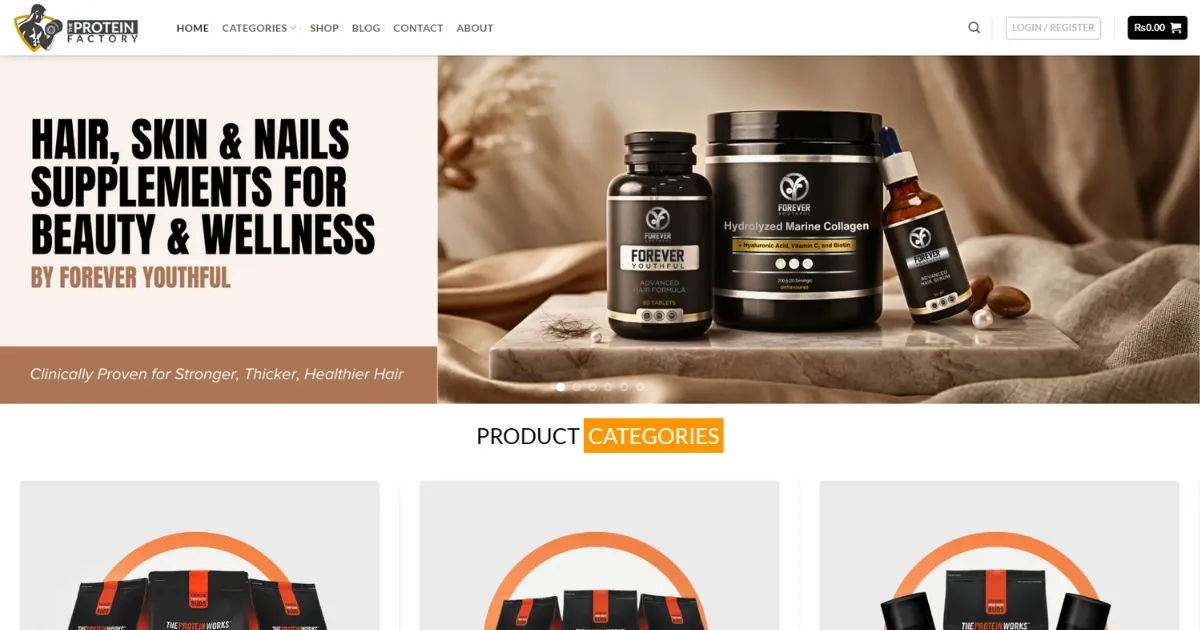
Understanding the factors behind the protein powder price in Pakistan can help you make smarter purchasing decisions and choose a product that matches both your fitness goals and your budget.
Whether you are a beginner, a gym enthusiast, or a professional athlete, knowing what affects pricing is important. From imported products to local manufacturing, ingredient quality, packaging, and market demand, many elements influence the overall cost. This guide explains everything you need to know in simple language so you can confidently choose the right protein supplement.
Understanding Protein Powder
Protein powder is a dietary supplement designed to increase daily protein intake. It is commonly used by people who exercise regularly, athletes, bodybuilders, and even individuals who struggle to consume enough protein through food alone.
Protein helps repair muscles, build lean body mass, support recovery after exercise, and maintain overall health. Different protein powders are made from different protein sources, including whey, casein, soy, pea, rice, and egg protein.
Although all protein powders serve a similar purpose, they differ in quality, purity, taste, nutritional value, and price.
Why Is Protein Powder So Popular in Pakistan?
Fitness awareness has grown significantly in Pakistan over the past few years. More people are joining gyms, following healthy diets, and participating in sports.
As demand continues to rise, the market now offers hundreds of protein supplements from both international and local brands. This increased variety has also resulted in a wider range of pricing, making the protein powder price in Pakistan an important topic for consumers.
Some people buy premium imported supplements, while others choose affordable local alternatives. Both options have advantages depending on individual needs.
Main Factors That Affect Protein Powder Prices
Many people believe that brand name alone determines the cost. In reality, several factors contribute to the final retail price.
Quality of Ingredients
One of the biggest reasons prices vary is ingredient quality.
Premium protein powders use high-quality protein sources with better amino acid profiles and higher purity. These products often undergo additional filtration processes that remove unnecessary fats, carbohydrates, and lactose.
Lower-priced products may contain less refined protein or include fillers that reduce manufacturing costs.
Higher-quality ingredients naturally increase the protein powder price in Pakistan because they are more expensive to produce.
Type of Protein
Not every protein powder contains the same type of protein.
Common varieties include:
- Whey Protein Concentrate
- Whey Protein Isolate
- Hydrolyzed Whey Protein
- Casein Protein
- Plant-Based Protein
- Soy Protein
- Pea Protein
- Mixed Protein Blends
Hydrolyzed whey and whey isolate usually cost more because they contain higher protein percentages and undergo advanced processing.
Imported vs Local Protein Powders
One major factor influencing prices is whether the product is imported or manufactured locally.
Imported Products
Imported supplements usually come from countries like:
- United States
- United Kingdom
- Germany
- Australia
These products involve shipping costs, customs duties, taxes, distributor margins, and retailer profits.
Every additional expense increases the protein powder price in Pakistan before the product reaches consumers.
Local Products
Locally manufactured protein powders eliminate many import-related costs.
Because transportation expenses and import duties are lower, local brands often sell their products at more affordable prices.
However, quality varies among manufacturers, so buyers should always check ingredient labels and certifications.
Exchange Rate Fluctuations
Pakistan imports many nutritional supplements.
Whenever the Pakistani Rupee weakens against foreign currencies like the US Dollar, import costs increase.
This directly affects the protein powder price in Pakistan because retailers pay more to import products.
Even if international prices remain unchanged, local prices may rise due to currency depreciation.
Import Duties and Taxes
Government taxes play an important role in supplement pricing.
Imported protein powders may be subject to:
Customs Duty
Products entering Pakistan often face import duties depending on current regulations.
Sales Tax
Sales tax increases the final retail price.
Additional Import Charges
Storage fees, customs clearance charges, and transportation expenses also contribute to higher costs.
All these expenses eventually become part of the protein powder price in Pakistan.
Brand Reputation
Established brands invest heavily in research, product development, manufacturing standards, and quality testing.
Popular international brands often have years of scientific research supporting their formulas.
Consumers are usually willing to pay more for trusted brands because they expect better quality and safety.
Less-known brands may offer lower prices to attract new customers.
Manufacturing Standards
Good manufacturing practices require advanced facilities, laboratory testing, and strict quality control.
Companies that follow international standards spend more money during production.
These costs influence the protein powder price in Pakistan, but they also provide greater confidence in product quality.
Third-Party Testing
Many premium brands send their products to independent laboratories for verification.
Testing may include:
- Protein content
- Heavy metals
- Microbial contamination
- Ingredient accuracy
- Purity
Independent testing increases manufacturing costs but improves consumer trust.
Protein Percentage
Higher protein concentration generally means a higher price.
For example:
- Protein powder with 60% protein is usually cheaper.
- Protein powder with 80% protein costs more.
- Protein powder with 90% or higher protein often commands premium pricing.
Consumers paying more are usually receiving more protein per serving.
Added Ingredients
Many supplements contain more than just protein.
Additional ingredients may include:
Digestive Enzymes
These help improve digestion and absorption.
Vitamins
Some products include vitamins for overall wellness.
Minerals
Extra minerals support body functions and recovery.
BCAAs
Branched-chain amino acids help support muscle recovery.
Creatine
Some protein powders include creatine for strength and performance.
The more premium ingredients included, the higher the protein powder price in Pakistan may become.
Packaging Quality
Packaging affects cost more than many people realize.
Premium containers provide:
- Better moisture protection
- Longer shelf life
- Attractive appearance
- Durable construction
High-quality packaging increases production expenses.
Simple packaging often reduces overall costs.
Flavor Development
Creating enjoyable flavors requires research and testing.
Popular flavors include:
- Chocolate
- Vanilla
- Strawberry
- Cookies and Cream
- Coffee
- Banana
- Mango
- Chocolate Peanut Butter
Premium flavoring systems improve taste but also raise manufacturing costs.
Market Demand
As more Pakistanis adopt healthier lifestyles, demand for protein supplements continues to grow.
High demand sometimes results in higher prices, especially for popular products that sell quickly.
Limited stock combined with strong demand can temporarily increase the protein powder price in Pakistan.
Supply Chain Costs
Before reaching customers, protein powder passes through several stages:
- Manufacturer
- Exporter
- Importer
- Distributor
- Wholesaler
- Retailer
Each stage adds operating expenses and profit margins.
These combined costs affect the final selling price.
Transportation Expenses
Shipping protein powder internationally is expensive.
Costs include:
- Ocean freight
- Air freight
- Fuel charges
- Insurance
- Warehousing
When shipping costs rise, the protein powder price in Pakistan often increases as well.
Retail Store Margins
Physical supplement stores have operating expenses such as:
- Rent
- Employee salaries
- Electricity
- Marketing
These costs are reflected in retail pricing.
Online sellers may offer lower prices because they have fewer operating expenses.
Counterfeit Products
Pakistan has unfortunately seen counterfeit supplements enter the market.
Fake products often sell at unusually low prices.
Although these products appear attractive financially, they may contain poor-quality ingredients or unsafe substances.
Buying from authorized sellers helps ensure product authenticity.
Seasonal Discounts
Prices are not always fixed throughout the year.
Retailers frequently offer discounts during:
- Independence Day sales
- Eid promotions
- Black Friday
- New Year sales
- Fitness campaigns
Buying during these events can help reduce the protein powder price in Pakistan.
Package Size
Larger containers usually provide better value.
Common sizes include:
- 1 pound
- 2 pounds
- 5 pounds
- 10 pounds
Although larger containers require higher upfront spending, they often cost less per serving.
Number of Servings
Instead of comparing only container size, compare servings.
Two products may have similar weights but different serving counts.
Calculating cost per serving provides a more accurate comparison.
Shelf Life
Freshly manufactured protein powder usually maintains better quality.
Products nearing expiration dates sometimes receive discounts.
Always check expiry dates before purchasing.
Marketing Costs
Major brands invest heavily in:
- Athlete sponsorships
- Television advertising
- Social media campaigns
- Fitness influencers
- Product launches
These promotional expenses contribute to the overall protein powder price in Pakistan.
Availability
Products with limited availability often cost more.
Rare imported brands may become expensive simply because supply is limited.
Popular brands with steady supply often maintain more stable pricing.
Online Shopping vs Physical Stores
Both purchasing methods have advantages.
Online Shopping
Benefits include:
- Easy price comparison
- Frequent discounts
- Home delivery
- Larger product selection
Physical Stores
Advantages include:
- Immediate purchase
- Personal guidance
- Product inspection
- No delivery waiting time
Comparing prices across multiple sellers can help you find the best deal.
How to Choose the Right Protein Powder
Price should never be the only deciding factor.
Instead, consider:
Your Fitness Goal
Different goals require different protein supplements.
Weight loss, muscle gain, endurance training, and general health all have unique nutritional needs.
Ingredient List
Read labels carefully.
Choose products with clear ingredient lists and minimal unnecessary fillers.
Protein Content
Higher protein percentages often provide better nutritional value.
Brand Reputation
Trusted manufacturers generally maintain better quality control.
Customer Reviews
Reading verified customer experiences can provide valuable insights before purchasing.
Tips to Save Money
You do not always need the most expensive supplement.
Consider these strategies:
- Compare prices from multiple retailers.
- Buy during seasonal promotions.
- Purchase larger containers if you use protein regularly.
- Choose authentic local brands with good reputations.
- Avoid counterfeit products with unrealistically low prices.
- Calculate the cost per serving rather than the container price.
- Verify authenticity before purchasing.
Common Myths About Protein Powder Pricing
Expensive Always Means Better
Not necessarily.
Some affordable products offer excellent nutritional quality.
Cheap Products Are Always Fake
Many local brands provide genuine products at competitive prices.
Research is more important than price alone.
Imported Protein Is Always Superior
Many local manufacturers now produce high-quality supplements using modern production techniques.
Product quality depends on ingredients and manufacturing standards rather than country of origin alone.
Bigger Containers Cost More
Although total price is higher, larger containers usually reduce the cost per serving.
Should You Buy the Cheapest Protein Powder?
Buying solely based on price is not recommended.
Instead, balance:
- Quality
- Protein content
- Brand reputation
- Authenticity
- Customer reviews
- Budget
The lowest price may not provide the best value if the product contains low-quality ingredients.
Future Trends in Pakistan
The supplement industry continues to evolve.
Several trends may influence the protein powder price in Pakistan in the coming years, including increased local manufacturing, greater competition, improved quality standards, and growing consumer awareness. As more brands enter the market, buyers may benefit from better choices and competitive pricing. However, exchange rates, import policies, and global supply chain conditions will likely continue to affect costs for imported products.
Conclusion
Understanding why the protein powder price in Pakistan varies can help you become a smarter shopper. Prices are influenced by many factors, including ingredient quality, protein type, manufacturing standards, import duties, exchange rates, packaging, brand reputation, transportation, marketing, and market demand. While premium products often justify their higher prices through better ingredients and stricter quality control, many affordable options also offer good nutritional value when purchased from trusted manufacturers.
Rather than choosing a product based only on cost, focus on quality, protein content, authenticity, and your personal fitness goals. Compare labels, calculate the cost per serving, and purchase from reliable sellers to ensure you receive genuine products. By understanding the reasons behind the protein powder price in Pakistan, you can confidently select a supplement that fits both your nutritional needs and your budget.