

Hangover IV therapy has grown in popularity as a fast solution for recovering from the unpleasant symptoms of a hangover. This treatment involves receiving fluids, vitamins, and minerals directly into the bloodstream through an intravenous (IV) drip.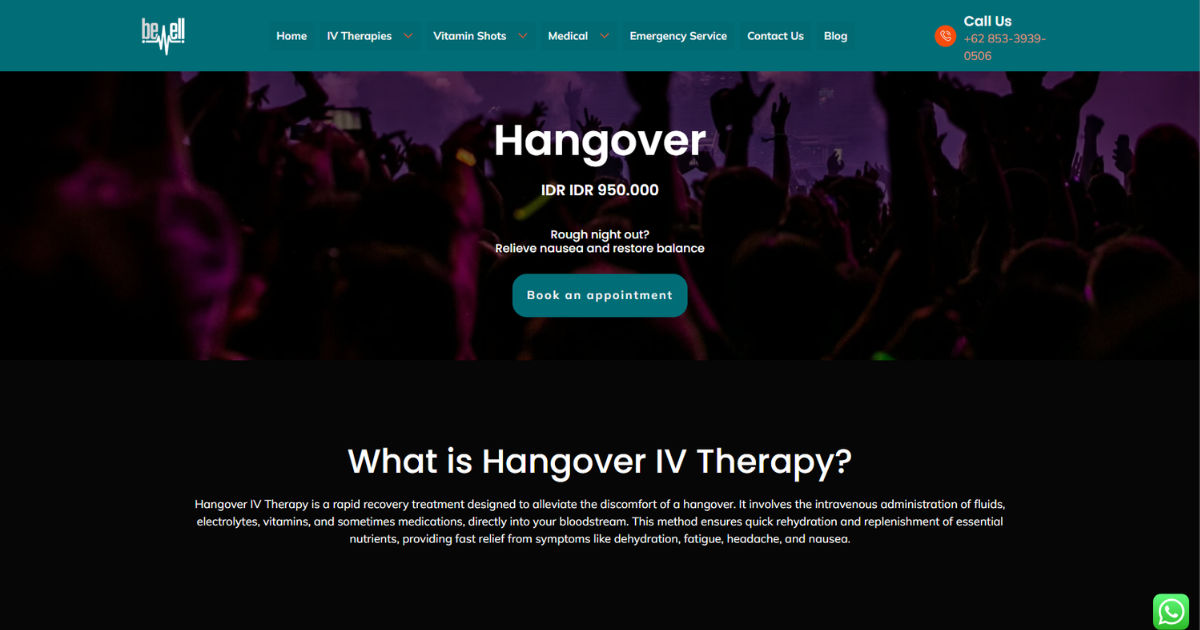
Unlike drinking water or consuming electrolytes orally, hangover IV therapy aims to hydrate the body quickly and restore essential nutrients that alcohol can deplete.
Many people seek hangover IV therapy after a night of heavy drinking, hoping to alleviate headaches, nausea, fatigue, and dehydration.
While the therapy can provide relief for some, it is not without potential side effects. Understanding these risks is crucial for anyone considering this treatment.
How Hangover IV Therapy Works
Hangover IV therapy works by delivering fluids and nutrients directly into the veins. The main components usually include saline solution, vitamins such as B-complex and vitamin C, electrolytes like magnesium and potassium, and sometimes medications for nausea or pain relief.
By bypassing the digestive system, the body can absorb these nutrients more quickly than by oral intake. This method often leads to faster hydration and may reduce symptoms of a hangover. However, because the therapy is administered intravenously, it carries unique risks and possible side effects that must be understood.
Common Side Effects of Hangover IV Therapy
While hangover IV therapy is generally considered safe for healthy adults, several side effects can occur. These range from mild to more serious complications. Understanding them can help individuals make informed decisions about their treatment.
Pain or Bruising at the Injection Site
One of the most common side effects is localized pain or bruising where the IV needle is inserted. The skin and veins can react to the needle, causing temporary discomfort. In some cases, swelling or redness may also appear.
Headache or Dizziness
Some individuals may experience headaches or dizziness after receiving hangover IV therapy. This can be caused by rapid changes in fluid levels or the body adjusting to the nutrients delivered intravenously. Staying hydrated before and after therapy can reduce the likelihood of these symptoms.
Nausea
Ironically, while hangover IV therapy is designed to reduce nausea, some patients may experience it as a side effect. This can happen if the infusion is delivered too quickly or if the body reacts to certain vitamins or medications in the IV solution.
Infection Risk
Anytime the skin is pierced, there is a risk of infection. Proper sterilization of the IV site and equipment is critical to minimize this risk. While infections are rare when therapy is administered by trained professionals, they remain a potential side effect.
Vein Inflammation
Phlebitis, or inflammation of the vein, can occur as a result of hangover IV therapy. This may cause redness, tenderness, and swelling along the vein used for the infusion. It is typically temporary but can be uncomfortable.
Electrolyte Imbalance
Hangover IV therapy often includes electrolytes to restore balance in the body. However, if the infusion contains too much or too little of certain electrolytes, it may lead to an imbalance. Symptoms can include muscle cramps, irregular heartbeat, or fatigue.
Allergic Reactions
Some individuals may be allergic to components of the IV solution, such as vitamins, minerals, or medications. Mild allergic reactions can include itching, rash, or hives. Severe reactions are rare but possible, such as anaphylaxis, which requires immediate medical attention.
Overhydration
Receiving too much fluid too quickly can lead to overhydration, also known as fluid overload. This condition can cause swelling, high blood pressure, and in severe cases, heart or kidney complications. It is particularly risky for people with pre-existing heart or kidney problems.
Rare but Serious Side Effects
Although uncommon, hangover IV therapy can lead to more serious side effects. Awareness of these risks is important for anyone considering this treatment.
Blood Clots
In rare cases, IV therapy can cause blood clots to form in the veins. This risk is higher for individuals with clotting disorders or a history of deep vein thrombosis. Blood clots can be dangerous if they travel to the lungs, causing a pulmonary embolism.
Kidney or Heart Complications
People with kidney or heart disease may face additional risks with hangover IV therapy. Rapid infusion of fluids or electrolytes can strain these organs, potentially leading to complications such as fluid retention, high blood pressure, or heart failure.
Nerve Damage
Although extremely rare, improper IV insertion can cause nerve injury. This can result in pain, numbness, or tingling near the injection site. Most nerve injuries are temporary, but some may be long-lasting if severe.
Drug Interactions
Some hangover IV therapies include medications such as anti-nausea drugs or pain relievers. These can interact with other medications a person is taking, leading to unexpected side effects or reduced effectiveness of treatments. Always inform the provider about current medications before undergoing therapy.
Factors Influencing Side Effects
The likelihood and severity of side effects from hangover IV therapy can depend on multiple factors.
Health Status
Individuals with chronic health conditions, such as kidney disease, heart problems, or electrolyte imbalances, are at higher risk for complications. Healthy adults are less likely to experience severe side effects but should still exercise caution.
IV Solution Composition
Different clinics may use varying mixtures of fluids, vitamins, and medications. The specific ingredients and concentrations can affect how the body reacts, increasing or decreasing the likelihood of side effects.
Administration Technique
Proper technique in inserting and maintaining the IV is critical. Poor technique can lead to infections, vein inflammation, or nerve injury. Always choose certified healthcare providers for hangover IV therapy.
Infusion Rate
The speed at which the IV solution is administered can impact side effects. Rapid infusion increases the risk of nausea, dizziness, and fluid overload. A slower, controlled infusion is generally safer and more comfortable.
Hydration and Nutrition Status
Individuals who are already dehydrated or have poor nutritional status may be more sensitive to IV therapy. In some cases, prehydrating with water or consuming a light meal before treatment can reduce side effects.
Precautions Before Getting Hangover IV Therapy
Taking certain precautions can minimize the risks associated with hangover IV therapy.
Medical History Assessment
Provide a detailed medical history, including past illnesses, allergies, medications, and prior reactions to IV therapy. This helps the provider tailor the treatment safely.
Choose Licensed Clinics
Always select licensed medical clinics or professionals for hangover IV therapy. Certified practitioners are trained to minimize risks and handle emergencies if they occur.
Monitor During Infusion
Healthcare providers should monitor patients during the IV infusion for signs of adverse reactions. Immediate adjustments or discontinuation of therapy can prevent complications.
Avoid Alcohol and Dehydration
Do not consume alcohol immediately before or after therapy. Drinking water before the infusion can reduce the risk of dehydration-related side effects and enhance the effectiveness of the treatment.
Who Should Avoid Hangover IV Therapy
Hangover IV therapy is not suitable for everyone. Certain groups should avoid it unless approved by a physician.
- Individuals with kidney or heart disease
- People with blood clotting disorders
- Pregnant or breastfeeding women
- Individuals with severe allergies to IV solution components
- Children and teenagers under professional supervision
Myths and Misconceptions
There are several misconceptions about hangover IV therapy that need clarification.
Instant Cure Myth
While hangover IV therapy may relieve symptoms faster than oral hydration, it is not an instant cure. Recovery still requires rest, proper nutrition, and avoiding further alcohol consumption.
No Side Effects Myth
Some marketing claims suggest hangover IV therapy is completely safe. As discussed, side effects—though often mild—can occur. Awareness is key to safe use.
Can Prevent Hangovers Myth
Receiving hangover IV therapy does not prevent future hangovers. It is a treatment for existing symptoms, not a preventive measure.
How to Reduce Side Effects
Even if someone chooses to undergo hangover IV therapy, there are ways to minimize potential side effects.
Hydrate Before and After
Drinking water before and after therapy can help stabilize fluid levels and reduce dizziness or headaches.
Inform Providers About Medications
Tell your healthcare provider about all medications, supplements, and allergies. This reduces the risk of adverse reactions or drug interactions.
Opt for Slower Infusions
Ask for a controlled infusion rate. Slower delivery of fluids and nutrients can minimize nausea, dizziness, and overhydration.
Rest and Nutrition
After therapy, allow your body to rest and consume a balanced meal. This supports recovery and reduces fatigue or lightheadedness.
When to Seek Medical Attention
Although hangover IV therapy side effects are usually mild, certain symptoms require immediate medical attention:
- Severe swelling or redness at the IV site
- Shortness of breath or chest pain
- Severe allergic reactions, including hives, swelling, or difficulty breathing
- Persistent nausea or vomiting
- Signs of infection, such as fever or chills
Conclusion
Hangover IV therapy can be an effective option for relieving the symptoms of a hangover, offering faster hydration and nutrient replenishment than traditional methods. However, it is not without risks. Common side effects include pain at the injection site, headaches, dizziness, nausea, vein inflammation, and mild allergic reactions. Rare but serious complications can involve blood clots, kidney or heart issues, nerve damage, or severe allergic reactions.
The likelihood of experiencing side effects depends on individual health, the composition of the IV solution, administration technique, infusion rate, and hydration status. Taking precautions such as selecting licensed clinics, providing a thorough medical history, staying hydrated, and monitoring during infusion can reduce risks. It is also crucial to understand that hangover IV therapy is not a guaranteed instant cure and does not prevent future hangovers.
Anyone considering this treatment should weigh the potential benefits against the risks and consult with a qualified healthcare provider. Safe practices, awareness of side effects, and proper aftercare can maximize the benefits of hangover IV therapy while minimizing potential complications.