

Artificial Intelligence is becoming an important part of modern life. From smartphones and online shopping to healthcare, education, transportation, and banking, this technology is changing how people work, communicate, and solve problems. It can analyze large amounts of information, complete repetitive tasks, and help people make decisions more quickly. 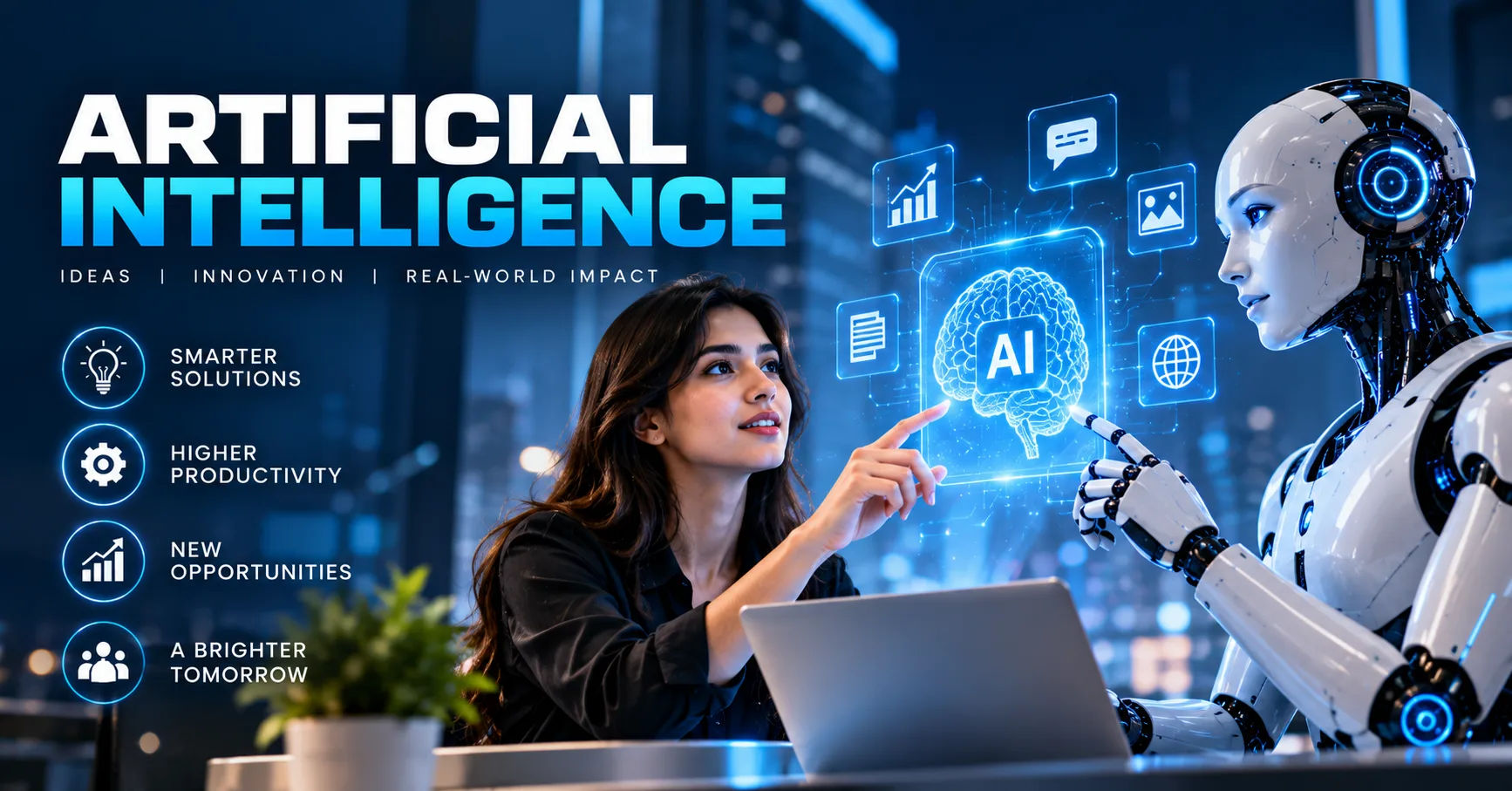 However, alongside these benefits, there are serious risks that deserve attention.
As technology continues to develop, understanding the dangers of Artificial Intelligence is essential for students, businesses, governments, and ordinary users. Although intelligent systems can improve productivity and create new opportunities, they can also introduce problems related to privacy, security, employment, discrimination, misinformation, and human control.
The main concern is not simply that machines are becoming more capable. It is that people may use these systems irresponsibly, rely on them too heavily, or introduce them into important areas without properly understanding their limitations. Learning about these risks can help society benefit from technological progress while protecting human rights, safety, and trust.
Artificial Intelligence and Its Growing Influence
Artificial intelligence AIOwl refers to computer systems designed to perform tasks that normally require human intelligence. These tasks may include recognizing images, understanding language, identifying patterns, making predictions, and generating written or visual content.
Many modern systems use machine learning, a method that allows computers to learn patterns from data. Some use deep learning, which relies on complex networks inspired by certain aspects of the human brain. Generative systems can produce new content, including articles, pictures, music, videos, and computer code.
These technologies are useful in many fields. Doctors may use them to examine medical images, teachers can use them to prepare learning materials, and companies can use them to improve customer service.
However, their growing influence also creates new responsibilities. When a system produces an incorrect answer, exposes private information, or makes an unfair decision, the consequences can affect real people.
Understanding these problems is the first step toward using technology safely and responsibly.
1. Privacy and Data Security Risks
One of the most significant risks involves the collection, storage, and use of personal information.
Intelligent systems often require large amounts of data to operate effectively. This information may include browsing activity, photographs, location details, shopping habits, voice recordings, and other personal records.
When organizations collect more information than necessary or fail to protect it properly, individuals may lose control over their personal lives.
How Personal Information Can Be Misused
Companies may analyze user behavior to predict interests, recommend products, or personalize advertisements. While these activities can be convenient, excessive monitoring may create privacy concerns.
For example, an application that tracks a person's location could reveal where they live, work, study, or spend their free time. If this information reaches unauthorized individuals, it could be used for stalking, identity theft, or other harmful activities.
Another concern is that sensitive information may accidentally appear in a system's responses or be exposed through security weaknesses.
How to Reduce Privacy Risks
Organizations should collect only the information they genuinely need and explain how it will be used. Strong encryption, access controls, regular security checks, and clear privacy policies can reduce the likelihood of data misuse.
Users should also avoid entering passwords, financial information, confidential business documents, or other sensitive details into unfamiliar tools.
Protecting privacy requires cooperation between technology developers, businesses, governments, and individual users.
2. Job Loss and Workplace Changes
Automation is another major concern associated with intelligent technologies. Machines can now perform many tasks that previously required human effort, including preparing reports, answering routine questions, processing documents, and analyzing business information.
As companies adopt automated systems, some jobs may disappear, while others may change significantly.
Which Jobs Could Be Affected?
Jobs involving repetitive, predictable activities may face greater pressure. Examples include certain administrative positions, basic customer support roles, data entry, and routine content production.
However, the effects will not be identical across industries. Many occupations combine technical knowledge with creativity, communication, practical judgment, and personal relationships. These responsibilities can be more difficult to automate completely.
Some workers may find that technology helps them become more productive rather than replacing them.
The Challenge of Learning New Skills
One important risk is that workers may not receive enough time or training to adapt to changing workplace demands.
People who lose their jobs may struggle to find new employment if available positions require different skills. This can increase financial pressure and widen the gap between workers who can adapt quickly and those who cannot.
Governments, educational institutions, and employers should invest in affordable training, digital literacy, and career development.
The goal should be to help people work effectively alongside new technology rather than leaving them unprepared for economic changes.
3. Bias and Discrimination
Computer systems learn from data, and data often reflects existing social inequalities. If the information used to train a system contains unfair patterns, its decisions may reproduce or even strengthen those patterns.
This problem is known as algorithmic bias.
How Bias Can Affect Decisions
Imagine a company using an automated system to review job applications. If the system learns from historical hiring records that favored certain groups, it may rank similar applicants more highly while unfairly disadvantaging others.
Comparable problems can arise in lending, healthcare, education, and law enforcement.
A system may appear objective because it uses mathematical calculations. However, mathematical processing does not automatically make a decision fair.
Bias can also result from incomplete datasets, poorly chosen objectives, or assumptions made during system design.
Promoting Fairness and Accountability
Developers should test systems using diverse datasets and evaluate whether outcomes differ unfairly between groups.
Independent assessments can help identify problems before a system is widely deployed. Organizations should also provide ways for people to challenge important decisions and request human review.
Fairness requires continuous monitoring because a system that performs well in one setting may behave differently in another.
4. Misinformation and Fake Content
Modern generative tools can create realistic articles, photographs, audio recordings, and videos. Although these abilities support creativity and communication, they can also make false information easier to produce and distribute.
This is especially concerning when people cannot easily distinguish authentic material from fabricated content.
The Danger of Deepfakes
Deepfakes are synthetic or manipulated media that can make someone appear to say or do something that never happened.
For example, a fake video might show a public figure making a controversial statement. A fabricated voice recording could imitate a family member asking for money. Such material can damage reputations, influence public opinion, or support financial scams.
False information can spread quickly through social media, especially when it triggers strong emotions.
Even after a misleading claim has been corrected, some people may continue believing it.
How People Can Identify False Information
Readers should check the original source, compare claims with reliable reporting, and verify important statements before sharing them.
Suspicious requests for money should be confirmed through another communication channel. Images and videos should not automatically be treated as proof simply because they look realistic.
Schools can help by teaching media literacy, critical thinking, and responsible online behavior.
Technology companies also have a role in improving detection methods and making manipulated content easier to identify.
5. Cybersecurity Threats and Digital Crime
Intelligent tools can strengthen cybersecurity by detecting suspicious activity and identifying unusual patterns. Unfortunately, criminals can also use similar capabilities to improve their attacks.
This creates a situation in which both defenders and attackers can benefit from technological advances.
More Sophisticated Cyberattacks
Criminals may use automated tools to write convincing phishing messages, imitate trusted organizations, translate fraudulent communications, or analyze stolen information.
These techniques can make scams more personalized and harder to recognize.
For instance, a fraudulent email may use accurate details about a person's employer and responsibilities to appear genuine. A cloned voice might also be used to impersonate a manager requesting an urgent payment.
Automated systems can further assist attackers in discovering software weaknesses or producing malicious code.
Strengthening Digital Protection
Individuals and organizations should use strong, unique passwords, enable multifactor authentication, update software, and regularly back up important files.
Employees need training to recognize suspicious requests and verify unusual financial instructions.
Businesses should establish incident-response plans and restrict access to sensitive systems.
Developers must also evaluate how their products could be misused and introduce appropriate security protections before releasing them.
6. Overdependence on Technology
Another risk emerges when people trust automated systems too much.
Intelligent tools can provide useful explanations, suggestions, and predictions, but they can also produce incorrect information. Their answers may sound confident even when the underlying information is incomplete or inaccurate.
Depending on them without checking their work can lead to serious mistakes.
Declining Critical Thinking Skills
Students who rely on automated tools to complete every assignment may miss opportunities to develop independent reasoning, research, and writing skills.
Similarly, employees who accept computer-generated recommendations without questioning them may overlook important details.
Over time, excessive dependence can weaken people's ability to solve problems without technological assistance.
Keeping Humans Involved
These tools should support human thinking rather than replace it entirely.
Students should use them to explore concepts, receive feedback, and practice difficult skills while completing their own reasoning.
Professionals should verify important information and understand the limitations of any system they use.
In high-risk situations, human judgment, professional expertise, and independent checks remain essential.
7. Lack of Transparency and Accountability
Some intelligent systems are difficult to understand, even for the people who develop or operate them. Complex models may generate predictions without providing a simple explanation of how particular conclusions were reached.
This creates problems when their decisions affect people's lives.
Why Explainability Matters
Suppose an automated lending system rejects someone's application. If neither the applicant nor the bank can clearly identify the relevant reasons, correcting an unfair decision becomes difficult.
Similar concerns arise when automated tools influence medical treatment, recruitment, educational opportunities, or access to public services.
People need meaningful explanations when important decisions affect their rights or financial well-being.
Who Is Responsible When Something Goes Wrong?
Accountability can become complicated when developers, service providers, employers, and users all contribute to a system's operation.
However, responsibility should not disappear simply because a computer was involved.
Organizations deploying these systems should define who is responsible for monitoring performance, handling complaints, investigating failures, and correcting harmful outcomes.
Clear documentation, independent audits, and accessible appeal procedures can help build public trust.
8. Safety Risks in Healthcare, Transportation, and Other Critical Fields
Intelligent technology is increasingly used in areas where errors can cause physical harm.
Examples include medical decision-support systems, industrial machinery, autonomous vehicles, and equipment used to monitor essential infrastructure.
Although these applications may improve efficiency and accuracy, they require careful testing.
Errors in High-Stakes Decisions
A medical system might overlook an unusual symptom or recommend an inappropriate course of action because the patient's circumstances differ from its training data.
A driver-assistance system might misinterpret an unexpected road condition. An industrial monitoring tool might fail to recognize a developing equipment problem.
Such failures demonstrate why successful performance in ordinary situations does not guarantee safety in every circumstance.
Why Human Oversight Is Essential
Systems used in high-risk environments should be tested under realistic conditions and monitored after deployment.
Operators need clear procedures for responding when technology fails. Important decisions should include appropriate professional supervision, and emergency alternatives should be available.
Healthcare professionals, for example, should consider a computer-generated recommendation alongside the patient's history, examination results, and clinical needs.
Safety must be treated as an ongoing responsibility, not a one-time technical achievement.
9. Economic Inequality and the Digital Divide
The benefits of new technology may not be shared equally.
Large companies with substantial financial resources can often afford advanced systems, specialized employees, and powerful computing infrastructure. Smaller businesses may struggle to compete.
Similarly, people with reliable internet access and strong digital skills may gain opportunities unavailable to those without these resources.
How the Gap Can Grow
If technological benefits mainly reach wealthy organizations and highly skilled workers, economic inequality may increase.
Some businesses could achieve substantial productivity gains while workers in vulnerable occupations face declining bargaining power or unstable employment.
Developing regions may also struggle to access advanced tools, training, and reliable digital infrastructure.
These differences can influence education, business development, and access to essential services.
Making Technology More Inclusive
Governments and institutions can support affordable internet access, digital education, worker retraining, and responsible innovation.
Small businesses should have opportunities to adopt useful technologies without unreasonable costs.
Public services should also remain accessible to people who lack advanced devices, digital skills, or reliable connectivity.
A fair technological future requires attention to who benefits, who bears the costs, and who may be left behind.
10. Environmental Costs
Although digital systems operate through computers and networks, they have physical environmental consequences.
Developing, training, and running large models can require substantial computing power. Data centers consume electricity and need cooling systems to maintain safe operating temperatures.
The overall environmental impact depends on the system's size, frequency of use, energy sources, and infrastructure.
Energy Consumption and Electronic Waste
Growing demand for computing can increase electricity consumption and place pressure on local power supplies.
Data centers may also require significant water resources for certain cooling methods. Manufacturing computer chips and other equipment uses raw materials, energy, and industrial processes.
When hardware becomes outdated, electronic waste can create additional environmental problems if it is not properly recycled.
Building More Sustainable Systems
Technology companies can improve efficiency, use cleaner energy, optimize models, and extend the useful life of equipment.
Organizations should consider whether a particular application provides enough value to justify its environmental costs.
Responsible design can help ensure that technological progress supports, rather than undermines, broader sustainability goals.
11. Ethical Concerns and the Loss of Human Control
Some of the most difficult risks involve ethical questions about how much authority should be given to automated systems.
As these tools become more capable, societies must decide which decisions should remain under human control and what limits should apply to their use.
Manipulation and Human Autonomy
Systems that analyze personal preferences can be used to influence what people buy, read, watch, or believe.
Personalized recommendations may be helpful, but they can also be designed to exploit emotional vulnerabilities, encourage excessive engagement, or manipulate consumer choices.
When users do not understand how these systems influence them, making fully informed decisions becomes more difficult.
Military and Autonomous Systems
The use of intelligent technology in military operations raises serious questions about accountability, civilian protection, and the authority to make life-and-death decisions.
Automated systems may help analyze threats, but errors or poor oversight can have devastating consequences.
International cooperation, clear rules, meaningful human control, and strong safeguards are important for reducing these dangers.
Society must decide not only what technology can do, but also what it should be allowed to do.
12. How Can We Reduce the Risks of Artificial Intelligence?
Reducing these risks requires cooperation among governments, businesses, researchers, educational institutions, and individuals.
No single solution can address every problem because different applications create different challenges.
Establish Clear Laws and Standards
Governments can develop rules for privacy, consumer protection, cybersecurity, discrimination, and high-risk automated decisions.
These rules should establish clear responsibilities while allowing beneficial research and innovation to continue.
Standards should also be updated as technologies and patterns of misuse change.
Improve Testing and Monitoring
Developers should evaluate systems for accuracy, security, fairness, and reliability before making them widely available.
Testing should include unusual situations, potential misuse, and the needs of different user groups.
After deployment, organizations should monitor performance and respond quickly to unexpected problems.
Educate the Public
People need practical knowledge about how intelligent tools work, what they can do, and where they may fail.
Schools can teach digital literacy, ethical technology use, research skills, and critical thinking.
Workers should have access to training that helps them adapt to changing job requirements.
Encourage Responsible Innovation
Developers should consider potential harm throughout the design process rather than waiting until a problem occurs.
Companies should communicate limitations honestly and provide channels for reporting failures.
Users should verify important claims, protect their personal information, and avoid using automated systems to deceive or harm others.
Responsible innovation means measuring success not only by speed and profit but also by safety, fairness, and public benefit.
Conclusion
Artificial Intelligence offers enormous opportunities to improve healthcare, education, communication, scientific research, and business operations. It can help people solve complex problems, complete repetitive tasks, discover patterns, and develop new ideas. However, these benefits do not eliminate the risks associated with its growing influence.
Privacy violations, job displacement, discrimination, misinformation, cybercrime, overdependence, and environmental costs are important concerns. In addition, the use of intelligent systems in healthcare, transportation, military operations, and other high-stakes environments raises questions about safety, transparency, and human responsibility.
These risks should not be ignored, but they should not lead society to reject every technological advancement either. The more practical approach is to understand the limitations of each system, evaluate its potential consequences, and establish appropriate safeguards before relying on it.
Governments must create effective regulations, businesses must protect users and accept responsibility for their products, and developers must prioritize reliability, fairness, and security. Educational institutions should prepare students for a changing world by teaching them how to use technology thoughtfully. Individuals must also develop the habit of checking information, protecting personal data, and making independent decisions when necessary.
Most importantly, technological progress should serve human needs rather than become an excuse to ignore human rights or remove accountability. Automated decisions should be questioned when they appear unfair, important information should be verified, and people should retain meaningful control over decisions that affect their lives.
The future will depend not only on how powerful these systems become but also on how wisely people choose to use them. With careful planning, public awareness, ethical standards, and continued human oversight, society can reduce many of the dangers while preserving the benefits.
Ultimately, the goal is not to eliminate innovation. It is to build a future in which technology remains a useful tool, people are treated fairly, and progress is measured by improvements in human well-being, safety, and opportunity.