

Arabic appetizers are a rich and flavorful part of Middle Eastern dining culture. These small dishes are served before the main meal to awaken the appetite and bring people together around the table.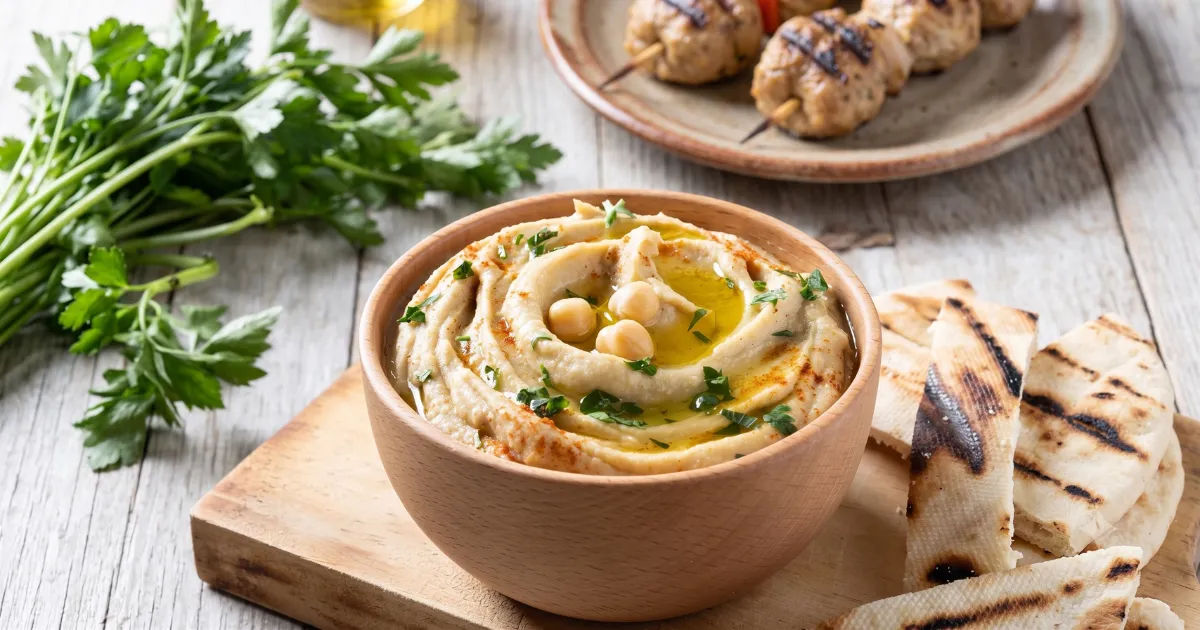
In many homes and restaurants, arabic appetizers are not just food but a shared experience that reflects hospitality and tradition. The variety, colors, and textures make arabic appetizers one of the most loved parts of Arabic cuisine.
In this guide, we will explore what makes these dishes special, their cultural importance, popular types, and how they are served. You will also learn how arabic appetizers fit into everyday meals and celebrations across the Arab world.
Understanding Arabic Appetizers
Arabic appetizers are small dishes served before the main course. They are often light, flavorful, and designed to stimulate the appetite. In Arabic culture, meals are not rushed. Instead, food is enjoyed slowly, and arabic appetizers play a key role in this experience.
These dishes are usually served in a style called “mezze,” which includes many small plates shared among guests. The idea is to encourage conversation, sharing, and enjoyment. When people think of traditional hospitality in the Middle East, arabic appetizers are always part of the picture.
Most meals begin with a table full of dips, salads, bread, and fried bites. This variety allows guests to try different flavors before the main dish arrives.
Cultural Importance of Arabic Appetizers
Food in Arabic culture is deeply connected to hospitality. Serving guests without appetizers would be considered incomplete. arabic appetizers symbolize generosity and respect for guests.
In family gatherings, weddings, and festive events, tables are often filled with colorful plates. Hosts take pride in offering a wide selection of arabic appetizers to ensure everyone feels welcomed.
Another important aspect is sharing. People rarely eat alone from their own plates. Instead, everyone gathers around and enjoys the same dishes. This tradition strengthens relationships and creates a warm social atmosphere.
Popular Types of Arabic Appetizers
There are many types of arabic appetizers, each offering unique flavors and textures. They can be divided into dips, salads, fried items, and bread-based dishes.
Dips and Spreads
Dips are a major part of arabic appetizers and are usually served with bread.
Hummus
Hummus is one of the most famous Arabic dips. It is made from chickpeas, tahini, lemon juice, and garlic. It is creamy, nutritious, and often served with olive oil and paprika.
Baba Ghanoush
Baba Ghanoush is another popular dip made from roasted eggplant, tahini, and olive oil. It has a smoky flavor and smooth texture.
Labneh
Labneh is strained yogurt served with olive oil and herbs. It is light, tangy, and commonly included in arabic appetizers platters.
Fresh Salads
Salads are fresh, healthy, and colorful components of arabic appetizers.
Tabbouleh
Tabbouleh is made from parsley, tomatoes, mint, bulgur, lemon juice, and olive oil. It is refreshing and light.
Fattoush
Fattoush includes fresh vegetables, herbs, and crispy toasted bread pieces. The dressing usually contains sumac and lemon.
These salads balance the richness of other arabic appetizers and add freshness to the meal.
Fried and Savory Bites
Fried items are crunchy, flavorful, and very popular in arabic appetizers.
Falafel
Falafel is made from ground chickpeas or fava beans mixed with herbs and spices. It is crispy on the outside and soft inside.
Sambousek
Sambousek are small pastries filled with meat, cheese, or vegetables. They are similar to mini pies and are often served hot.
These items are often enjoyed during gatherings and festive meals as part of arabic appetizers.
Bread and Side Items
Bread is essential in Arabic cuisine and plays a supporting role in arabic appetizers.
Pita bread is the most common type and is used to scoop dips and salads. Other variations include flatbreads with herbs or sesame seeds. Bread helps balance flavors and makes appetizers more filling.
The Mezze Style of Serving
One of the most important traditions in Arabic dining is mezze. Mezze refers to a large selection of small dishes served together. Most arabic appetizers are part of this style.
A mezze table may include 10 to 20 different items, ranging from dips to salads to fried snacks. Guests are encouraged to try a little of everything.
This style reflects the idea that food is meant to be shared. It also allows people to enjoy a variety of tastes in one meal. In many Middle Eastern restaurants, arabic appetizers are served exactly this way.
Ingredients Used in Arabic Appetizers
The ingredients used in arabic appetizers are simple but flavorful. Common ingredients include:
- Olive oil
- Garlic
- Lemon juice
- Chickpeas
- Yogurt
- Fresh herbs like parsley and mint
- Spices such as cumin, paprika, and sumac
These ingredients are natural and healthy, making arabic appetizers both tasty and nutritious.
Health Benefits of Arabic Appetizers
Many arabic appetizers are considered healthy because they use fresh and natural ingredients.
- Chickpeas provide protein and fiber
- Olive oil supports heart health
- Fresh vegetables offer vitamins and minerals
- Yogurt improves digestion
Even fried items like falafel can be part of a balanced diet when eaten in moderation. Because of their ingredients, arabic appetizers are often recommended as a healthier choice compared to processed snacks.
How Arabic Appetizers Are Served
Presentation is very important in Arabic cuisine. arabic appetizers are usually served in small bowls and arranged beautifully on a large table.
They are often eaten with pita bread instead of utensils. Sharing is encouraged, and guests typically try multiple dishes at once.
In restaurants, arabic appetizers are served as the first course before grilled meats, rice dishes, or stews.
Regional Variations of Arabic Appetizers
Different regions have their own versions of arabic appetizers.
Levant Region
Countries like Lebanon, Syria, and Jordan focus heavily on fresh salads and dips.
Gulf Region
In Gulf countries, dates, rice-based bites, and meat-filled pastries are more common.
North Africa
In countries like Morocco and Tunisia, spices are stronger, and dishes often include harissa and couscous-based appetizers.
Despite differences, all versions of arabic appetizers share the same purpose: bringing people together before the main meal.
Tips for Making Arabic Appetizers at Home
If you want to prepare arabic appetizers at home, here are some simple tips:
- Use fresh ingredients whenever possible
- Balance flavors like lemon, garlic, and herbs
- Prepare dips ahead of time for better taste
- Serve a mix of cold and hot dishes
- Include bread for dipping and sharing
Making arabic appetizers at home is easy and allows you to enjoy authentic Middle Eastern flavors.
Why Arabic Appetizers Are So Popular Worldwide
The popularity of arabic appetizers has grown globally because they are flavorful, healthy, and easy to share. Restaurants around the world now serve mezze-style platters inspired by Middle Eastern traditions.
People enjoy the variety and the social aspect of eating together. arabic appetizers also fit modern diets because they include plant-based options and fresh ingredients.
Conclusion
Arabic appetizers are more than just small dishes before a meal. They represent culture, hospitality, and tradition. From creamy dips to fresh salads and crispy fried snacks, arabic appetizers offer something for everyone.
They are designed to be shared, enjoyed slowly, and appreciated with family and friends. Whether served at home or in a restaurant, arabic appetizers create a welcoming dining experience that brings people together.
As global interest in Middle Eastern cuisine grows, these dishes continue to gain popularity for their taste, health benefits, and cultural value. Understanding arabic appetizers gives us a deeper appreciation of Arabic food traditions and the importance of shared meals.