

Delrin, also known as Polyoxymethylene (POM), is a thermoplastic commonly used in precision parts requiring high stiffness, low friction, and excellent dimensional stability. Here are the key benefits of using Delrin in 3D printing:
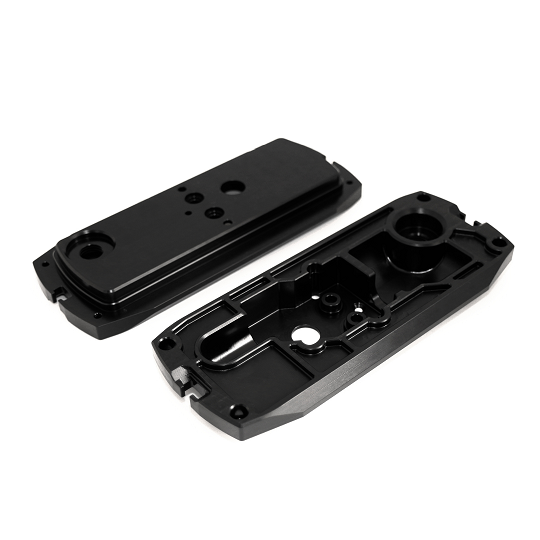
Key Benefits
- High mechanical strength – Delrin is known for its strength and rigidity, which is essential for functional and load-bearing components.
- High resilience – Delrin parts can endure repeated stresses without significant deformation.
- Low friction & wear resistance – This material is self-lubricating, which makes it ideal for applications involving moving parts.
- Good moisture resistance – Delrin does not absorb much moisture, making it suitable for use in wet environments.
- Excellent dimensional stability – With minimal expansion and contraction, Delrin is ideal for creating precise and consistent parts.
- Chemical resistance – It resists many solvents and chemicals, making it suitable for challenging industrial applications.
- Gears and bearings
- Electrical engineering components (insulators, switches)
- Automotive parts (door handles, locks)
- Sports equipment
Comparison of Properties
The chart below demonstrates some of the mechanical properties of Delrin 3d printing parts compared to other common 3D printing materials:
| Property | Delrin | ABS | PLA |
|---|---|---|---|
| Mechanical Strength | High | Medium | Low |
| Elastic Modulus | High | Medium | Medium |
| Impact Toughness | Medium | High | Low |
Applications
Delrin is used in a variety of applications, including but not limited to:
Due to its versatile properties, Delrin is a preferred choice among engineers and designers for creating complex, durable, and high-performing parts using 3D printing technologies.