

When a vehicle has been badly damaged in an accident, removing it can be difficult, especially if it no longer starts or cannot be safely driven. car wreckers geelong services are designed to make this process easier by arranging vehicle collection, towing the damaged car, and transporting it to a suitable wrecking or recycling facility. Many local wreckers advertise removal services for accident-damaged, broken, unwanted, and end-of-life vehicles.
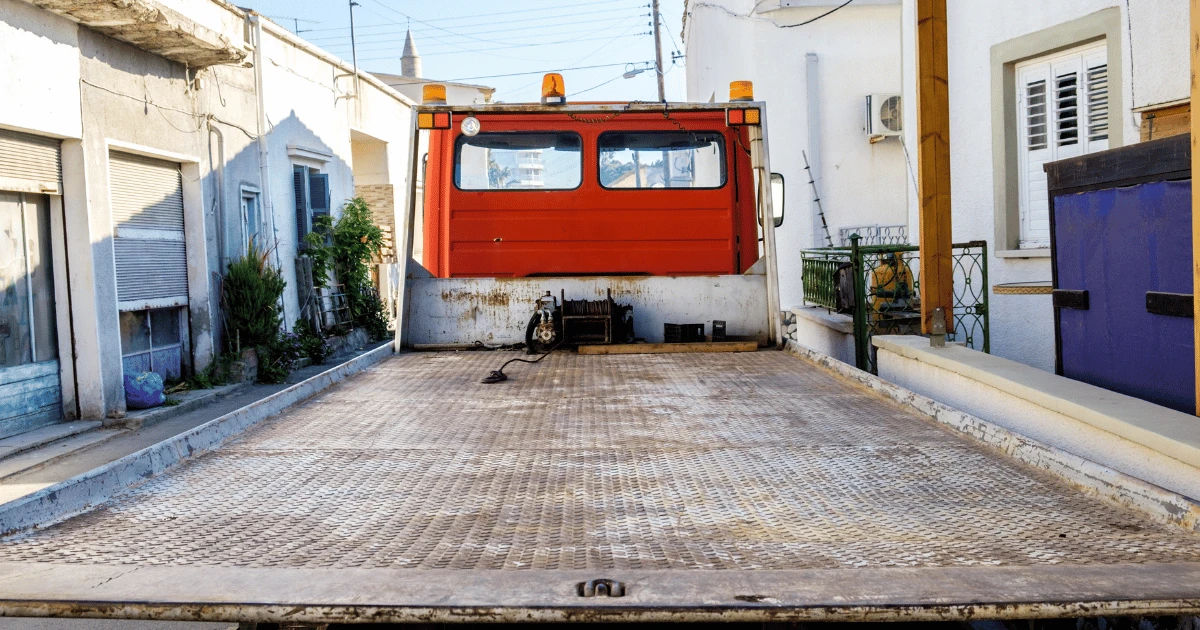
The removal process is more than simply attaching a tow rope and pulling a car away. A professional team needs to consider the vehicle's condition, location, access, safety, paperwork, and the best method of loading it onto a recovery vehicle.
Once the wrecked car reaches the yard, it can be inspected, dismantled, and processed for reusable parts and recyclable materials. Some Geelong wreckers describe processes involving depollution, dismantling, parts recovery, and metal recycling.
Understanding how the process works can help vehicle owners know what to expect and prepare their car for collection.
What Happens Before a Wrecked Car Is Removed?
The removal process usually starts when the owner contacts a wrecker or vehicle removal company.
The owner normally provides basic information about the vehicle, including its make, model, approximate year, condition, location, and whether it can still move under its own power.
This information helps the removal company determine what type of recovery equipment may be required.
A severely damaged vehicle may need different equipment from an older car that still rolls normally. A vehicle with major accident damage may have damaged wheels, suspension, steering, or bodywork that makes ordinary towing unsuitable.
The location also matters when dealing with car wreckers Geelong. A car sitting in an open driveway is generally easier to collect than one parked in a narrow garage or difficult-to-access area.
How Is the Vehicle Condition Assessed?
Before collection, the removal team needs to understand the condition of the vehicle.
They may establish whether the car starts, whether its wheels can turn, and whether it can roll safely. They may also ask whether the vehicle has been involved in an accident, flooded, damaged by fire, or left unused for an extended period.
This information is important because the team can plan the recovery method before arriving.
For example, a vehicle with four usable wheels may be easier to load than one with severe wheel or suspension damage.
The owner should provide accurate information rather than assuming that every damaged car can be treated in exactly the same way.
How Do Car Wreckers Collect Non-Running Cars?
A non-running car cannot simply be driven onto a tow truck.
Instead, professional vehicle removal operators use appropriate recovery equipment to move the vehicle safely.
Depending on the vehicle's condition and the equipment available, the car may be winched or loaded onto a suitable recovery truck.
A winch can help pull a stationary vehicle onto the truck when the vehicle cannot move under its own power.
The process needs to be handled carefully because sudden movement can create additional risks, particularly when the vehicle has suffered significant accident damage.
Professional removal crews are trained to assess these situations and choose an appropriate loading method.
How Are Severely Damaged Cars Loaded?
Severely wrecked cars can present additional challenges.
An accident may leave the body heavily damaged or cause problems with the wheels, suspension, steering, or other components.
In such cases, the removal team may need specialized recovery equipment rather than conventional towing.
The exact method depends on the vehicle and its location.
The important point is that owners should not attempt to drag a severely damaged vehicle themselves. Professional recovery equipment is designed to move heavy vehicles while reducing unnecessary risk to people and surrounding property.
What Happens When a Car Cannot Roll?
A car that cannot roll normally requires extra care.
For example, damaged wheels may prevent the vehicle from moving normally. A locked steering system or severe suspension damage can also make movement difficult.
The removal crew can assess these problems and determine how to position and load the vehicle.
The vehicle may need to be carefully moved into a position where it can be loaded onto the recovery truck.
This is one reason it is useful to explain the vehicle's condition before scheduling collection.
Is Towing Included With Car Removal?
Many Geelong wreckers advertise vehicle removal as part of their service.
For example, local businesses advertise free or included removal for unwanted, damaged, accident, broken, and wrecked cars.
However, owners should confirm the exact terms before arranging collection.
Not every company will have identical policies, and costs can depend on circumstances such as location, vehicle type, accessibility, and required equipment.
A clear conversation before collection can prevent misunderstandings.
What Paperwork May Be Required?
Vehicle paperwork is another important part of the removal process.
The owner may need to provide identification and evidence that they are entitled to dispose of the vehicle.
Some removal companies may also request vehicle registration information or other ownership documents.
Requirements can vary depending on the company and the vehicle's registration status.
If the car was involved in an insurance claim, the owner should also make sure the removal arrangements are consistent with the insurer's requirements.
Keeping relevant documents ready can make the collection process smoother.
What Happens to the Car After Collection?
Removing the car is only the first stage.
After collection, the vehicle is normally transported to a wrecking, dismantling, or recycling facility.
At the facility, workers can inspect the vehicle and determine whether useful components can be recovered.
Geelong dismantlers describe inspecting vehicles before dismantling them and separating reusable components from recyclable materials.
This means a severely damaged vehicle may still have considerable value.
A car can look beyond repair while containing useful engines, transmissions, electrical components, wheels, panels, interior components, or other parts.
How Are Reusable Parts Removed?
Once the vehicle reaches the yard, suitable parts can be removed carefully.
The exact components recovered depend on the vehicle's condition.
Some parts may have survived an accident without significant damage. These components can potentially be tested, cleaned, reconditioned, catalogued, and sold as used replacement parts.
Local Geelong dismantlers advertise used engines, gearboxes, radiators, panels, tyres, lights, driveshafts, and other components.
This process gives usable components another purpose instead of sending the entire vehicle directly for scrap.
What Is Depollution?
Before a vehicle is dismantled or crushed, potentially harmful fluids and materials need to be handled appropriately.
This process is often called depollution.
Automotive fluids can include engine oil, coolant, brake fluid, transmission fluid, and other substances.
Professional recyclers can remove and manage these materials using appropriate systems.
One Geelong auto recycling service describes safely draining oils, coolants, and brake fluids before dismantling vehicles.
Proper fluid management is important because uncontrolled disposal can damage soil and waterways.
How Is the Metal Recovered?
After useful components have been removed, the remaining vehicle still contains valuable materials.
Steel is one of the major materials found in most conventional vehicles.
Cars can also contain aluminium and other recyclable metals.
Once the reusable parts and hazardous materials have been separated, the remaining shell can be processed for metal recovery.
Some local wreckers describe dismantling vehicles down to the shell and then crushing the remaining frame for scrap metal.
Recycling these materials reduces the need to produce every new metal component entirely from newly extracted resources.
Why Is Professional Removal Better Than Abandoning a Wrecked Car?
Leaving a severely damaged car sitting on private property for years can create several problems.
It occupies valuable space and may deteriorate further through exposure to weather.
An abandoned vehicle can also become a source of leaking fluids, broken glass, loose components, or other hazards.
Professional removal provides a practical route for getting the vehicle out of the way.
Instead of treating the entire car as useless rubbish, wrecking and recycling operations can identify components and materials that still have value.
Can Wreckers Remove Cars From Difficult Locations?
The answer depends on the individual situation.
Access is an important consideration.
A vehicle parked on a normal driveway may be straightforward to collect. A car inside a narrow garage, behind another vehicle, on soft ground, or in a restricted area may require additional planning.
Owners should explain access conditions when arranging removal.
Providing photographs can also help a removal company understand the situation before sending a truck.
This allows the company to determine whether its standard equipment is appropriate.
What Should Owners Do Before Collection?
Owners can take a few simple steps to make the process easier.
First, remove personal belongings from inside the vehicle.
Check the glovebox, centre console, boot, door pockets, and other storage areas.
Important documents and personal items can easily be forgotten when a damaged vehicle is collected.
Owners should also remove items that they are legally entitled and practically able to keep, while leaving mechanical dismantling and hazardous-material handling to qualified professionals.
The vehicle's keys and relevant paperwork should be available if requested.
What About Number Plates?
Number plates should be handled according to the applicable Victorian requirements and the vehicle's registration circumstances.
If a vehicle is being disposed of, the owner should check the current requirements for cancelling or transferring registration and dealing with its plates.
The removal company may assist with some administrative steps, but the owner remains responsible for ensuring that the vehicle's registration situation is properly addressed.
This is especially important when a wrecked car has been written off or is no longer intended for road use.
Can Accident-Damaged Cars Still Have Value?
Yes, a badly damaged vehicle can still have value.
The value does not necessarily come from repairing the entire car.
Instead, it may come from undamaged components and recyclable materials.
For example, an accident may seriously damage the front of a vehicle while leaving other mechanical or interior components relatively unaffected.
A wrecker can assess which components remain suitable for reuse.
The metal shell also has recycling value.
This is why some wreckers accept vehicles that owners might otherwise consider worthless. Local services advertise acceptance of damaged, broken, accident-damaged, and end-of-life vehicles.
How Does the Process Help the Environment?
Vehicle recycling can reduce waste by recovering materials and components.
Instead of sending an entire vehicle to landfill, dismantlers can separate useful parts from recyclable materials.
Reusable components can return to the automotive parts market.
Metals can be processed for recycling.
Fluids and other potentially harmful materials can be managed separately.
The result is a more organized approach to end-of-life vehicle disposal.
Local Geelong recycling businesses specifically describe their processes as involving reuse, recycling, and responsible handling of vehicle materials.
What Should You Ask a Wrecker Before Booking?
Before arranging removal, it is sensible to ask several straightforward questions.
Ask whether the company accepts your particular vehicle.
Confirm whether the vehicle can be collected from its current location.
Ask whether towing or removal is included in the quoted arrangement.
Check what paperwork is required.
If the car is badly damaged, explain exactly what happened to it and whether the wheels, steering, and other major components are functional.
You can also ask what happens to the vehicle after it reaches the yard.
Clear answers can help you choose a service that suits your situation.
How Can the Removal Process Be Made Easier?
Good preparation is usually the key.
Give accurate information about the vehicle.
Explain whether it is running or completely immobile.
Describe any accident damage.
Mention unusual access conditions.
Keep ownership documents and identification ready if required.
Remove personal belongings before the truck arrives.
Most importantly, avoid attempting to move a severely damaged vehicle yourself.
A professional recovery crew has the equipment and experience needed to handle heavy vehicles.
Common Misunderstandings About Wrecked Car Removal
One common misunderstanding is that a car must be driveable before a wrecker will accept it.
That is not necessarily the case. Many Geelong services specifically advertise removal of non-running, damaged, broken, and wrecked vehicles.
Another misconception is that a severely damaged vehicle has no value.
Even when the car cannot be economically repaired, usable parts and recyclable metals may still have value.
A third misunderstanding is that vehicle removal ends when the car reaches the yard.
In reality, removal is the beginning of the recycling process. The vehicle can then be assessed, depolluted, dismantled, and separated into reusable and recyclable materials.
Conclusion
The process used by car wreckers geelong services to remove wrecked cars is designed to solve a problem that many vehicle owners face after an accident or mechanical failure.
The first stage is usually an assessment of the vehicle and its location. The removal team then determines the safest and most suitable way to load and transport it.
For a vehicle that cannot start or roll normally, appropriate recovery equipment can be used rather than relying on the car's own engine.
Once the vehicle reaches the wrecking facility, its journey continues. Suitable components can be inspected and removed for reuse, while fluids and other materials can be handled responsibly. The remaining metal can then be separated and recycled.
Local Geelong operators advertise services covering damaged, accident, unwanted, broken, and end-of-life vehicles, while local dismantlers also describe processes for recovering parts and recyclable materials.
For an owner, the most important steps are simple: provide accurate information, explain the vehicle's condition, prepare the necessary documents, remove personal belongings, and confirm the removal arrangements before collection.
A wrecked car may no longer be useful as a complete vehicle, but that does not mean everything in it has reached the end of its useful life. Professional dismantling and recycling can give suitable components and materials a second purpose while making vehicle disposal much easier for the owner.