

When designing custom activewear, adding a logo is one of the most important steps because the decoration needs to look professional while also surviving stretching, sweating, washing, and repeated use. Unlike ordinary cotton clothing, activewear is often made from flexible fabrics such as polyester, nylon, and elastane. These materials require decoration methods that can move with the garment without cracking, peeling, or becoming distorted.
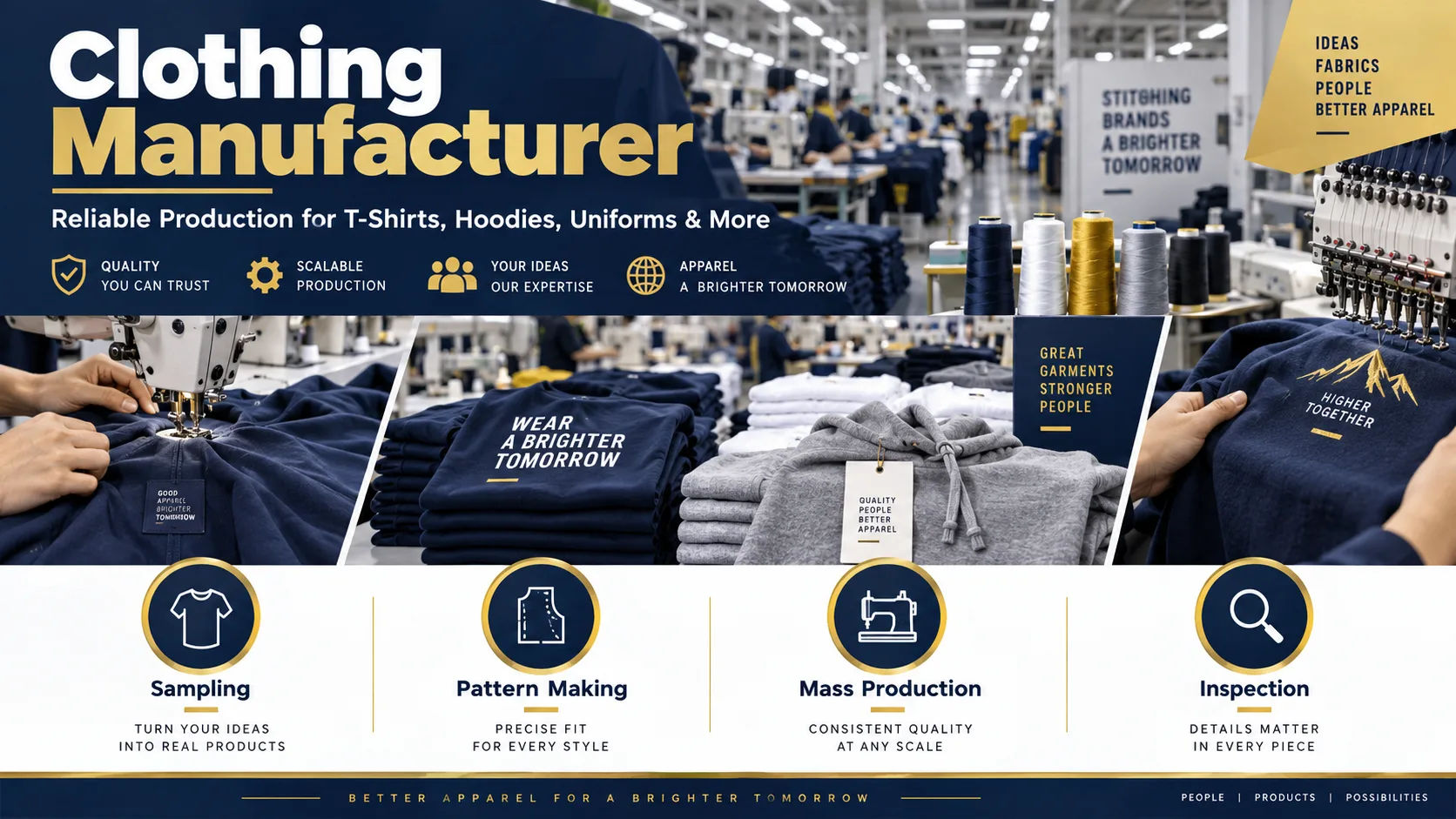
The good news is that there are several reliable ways to add logos to sportswear. The most suitable method depends on the fabric, logo design, quantity, budget, color requirements, and the intended use of the clothing.
From heat-applied graphics and embroidery to screen printing and sublimation, each technique produces a different result. Understanding these options makes it easier to choose a finish that looks good and performs well during training, competition, or everyday wear.
Why Logo Application Matters on Activewear
A logo on sports clothing does more than identify a team, gym, business, or organization. It contributes to the overall appearance of the garment.
Poorly applied decoration can quickly make an otherwise high-quality piece look cheap. A logo may crack when the fabric stretches, lift at the edges after washing, feel uncomfortable against the skin, or fade after repeated exposure to sweat and sunlight.
Activewear also moves considerably more than many casual garments. A running shirt stretches while the wearer moves their arms. Leggings stretch around the hips and knees. Sports jerseys are pulled and twisted during games.
For this reason, the decoration method needs to be compatible with the fabric and the way the garment will be used.
Common Ways Logos Are Added
Several decoration techniques are commonly used for sports clothing. There is no single method that works perfectly for every design.
The most common options include heat transfer vinyl, direct-to-film transfers, screen printing, embroidery, sublimation, and direct-to-garment printing.
The right choice usually comes down to the combination of fabric, artwork, quantity, and performance requirements.
Heat Transfer Vinyl
Heat transfer vinyl, often called HTV, uses a thin sheet of colored material that is cut into the desired logo or lettering. The unwanted material is removed, leaving the design.
The logo is then positioned on the garment and applied using heat and pressure.
HTV can work particularly well for simple designs, names, numbers, and logos with solid colors. It is also useful when producing relatively small quantities because the setup process can be straightforward.
However, not every type of vinyl is suitable for sportswear. Standard vinyl can feel heavy or stiff on lightweight performance fabrics. Stretchable heat-transfer materials are generally more appropriate when the garment needs to move freely.
Direct-to-Film Transfers
Direct-to-film, commonly known as DTF, is another heat-transfer technique. Instead of cutting individual letters and shapes from colored vinyl, the artwork is printed onto a special film and then transferred onto the garment.
This allows more detailed artwork and multiple colors.
DTF can be useful for logos containing gradients, fine details, or several colors. The transfer can also provide a strong visual contrast against the fabric.
The quality of the finished result depends heavily on the transfer material, temperature, pressure, and application process. A poorly applied transfer may not stretch or wash as well as a professionally produced one.
Screen Printing
Screen printing is a traditional method that remains popular for team shirts, sports uniforms, gym clothing, and other large-volume orders.
Ink is pushed through a prepared screen onto the fabric. Each color normally requires its own screen.
Screen printing can create a durable and attractive logo, especially when the artwork uses relatively simple colors and shapes. It can also become cost-effective when many identical garments are being produced.
The main limitation is that complicated, highly detailed artwork may require more preparation and additional screens. The printing process must also be adjusted for stretchy performance fabrics.
Embroidery on Activewear
Embroidery creates a logo by stitching thread directly into the fabric.
It is commonly associated with polo shirts, jackets, caps, and heavier garments, but it can also be used on certain forms of activewear.
Embroidery gives a logo a textured, premium appearance. It can be particularly effective for jackets, warm-up clothing, team outerwear, and structured sports garments.
However, embroidery is not automatically suitable for every performance garment.
Lightweight stretch fabrics can become distorted when too many stitches are concentrated in a small area. A large embroidered logo can also add weight and stiffness.
For thin running shirts, compression garments, and very flexible leggings, a printed or transferred logo may be more comfortable and practical.
Sublimation Printing
Sublimation is especially important for polyester-based sportswear.
With this technique, special dye is transferred into the fabric using heat. Rather than sitting as a separate layer on top of the material, the color becomes part of the fabric itself.
This produces a lightweight finish that does not create the noticeable surface layer associated with some transfer methods.
Sublimation is particularly useful for full-color designs, patterns, gradients, photographs, and all-over sports uniforms.
There is an important limitation, though. Sublimation works best with polyester or polyester-rich fabrics, particularly light-colored garments. It is not equally suitable for every material or dark garment.
For the right fabric, however, it can be one of the most effective decoration options for performance clothing.
Direct-to-Garment Printing
Direct-to-garment, or DTG, uses specialized printing equipment to apply ink directly onto clothing.
It is often associated with cotton garments and detailed artwork. While some modern systems can work with certain performance materials, DTG is not automatically the best option for every sports fabric.
The composition and surface treatment of the garment need to be considered before selecting this process.
For polyester-heavy activewear, other methods such as sublimation or suitable transfer printing may offer better performance.
How the Process Usually Works
Creating a logo for custom activewear involves more than simply placing an image on a shirt.
The first step is preparing the artwork. A high-quality logo file is important because poor artwork can produce blurry edges, incorrect proportions, or unwanted backgrounds.
Vector artwork is often preferred because it can be resized without losing sharpness.
Choosing the Logo Location
The next decision is placement.
Common positions include the chest, upper back, sleeve, leg, hip, and lower portion of a shirt.
Placement should consider how the garment stretches and how the logo will appear while the wearer is moving.
For example, a logo positioned across a highly flexible area may experience considerable stretching. A smaller design placed on a more stable section may maintain its shape better.
Preparing the Garment
Before decoration, the garment should be inspected.
The decorator needs to know what the fabric is made from and whether it has special treatments such as moisture-wicking finishes, water resistance, or compression characteristics.
Some performance fabrics can be damaged by excessive heat. Others may require specific transfer temperatures.
This is why decoration instructions should not simply be copied from one garment to another.
Applying the Logo
The application method determines what happens next.
For heat transfers, the logo is positioned carefully and applied using controlled temperature and pressure. For screen printing, ink is applied through prepared screens.
For sublimation, the artwork is printed onto transfer paper and then infused into compatible fabric using heat.
Embroidery requires the garment to be stabilized and positioned correctly before stitching begins.
Each process has its own equipment and technical requirements.
What Makes a Logo Suitable for Activewear?
A good activewear logo should balance appearance with performance.
Size is one consideration. A huge logo may look impressive on a product photograph but become uncomfortable or distorted when the garment stretches.
Very small logos can also present problems if they contain extremely fine details.
Color selection matters as well. The logo needs enough contrast against the garment to remain readable.
The artwork should also be tested at its intended physical size rather than judged only on a computer screen.
Stretch and Fabric Compatibility
One of the biggest considerations when decorating performance clothing is stretch.
A logo applied to a highly elastic fabric needs enough flexibility to move with the material.
This is particularly important for leggings, compression tops, cycling clothing, and fitted sports garments.
If a rigid decoration is applied to a fabric that stretches substantially, the garment can pull away from the decoration or the decoration itself may crack.
The fabric composition should therefore be checked before deciding on the printing method.
Polyester, nylon, elastane, and blended fabrics can respond differently to heat, adhesives, and inks.
Durability and Washing
Sportswear is frequently washed, making durability another major concern.
Sweat, detergent, heat, friction, and repeated stretching can all affect a logo.
The best decoration method is not necessarily the one that looks most impressive immediately after production. It should continue looking good after repeated use.
Care instructions also matter.
Following the manufacturer's washing recommendations can help extend the life of both the garment and its logo. Excessive heat, harsh detergents, and aggressive drying can shorten the lifespan of some decorations.
Which Method Is Best for Different Designs?
A simple one-color team logo may work very well with screen printing or an appropriate heat transfer.
A detailed, multicolored logo may be better suited to DTF or another high-resolution transfer process.
A polyester sports uniform with an all-over graphic may be an excellent candidate for sublimation.
A structured team jacket may benefit from embroidery.
There is therefore no universal winner. The best option depends on the actual garment and artwork.
Does Logo Size Affect the Result?
Yes.
Large logos require more consideration because they cover a larger portion of the garment and can affect flexibility, breathability, and comfort.
A large printed area may feel different from the surrounding fabric.
On lightweight sportswear, a smaller chest or leg logo can sometimes provide a better balance between branding and comfort.
Logo size should also be proportional to the garment. A design that looks appropriate on a men's large shirt may need adjustment when placed on a small women's top or a children's sports uniform.
How to Test a Logo Before a Large Order
Ordering a sample is one of the smartest steps when producing custom activewear in significant quantities.
A sample allows you to inspect the actual result rather than relying solely on digital mockups.
Look at the logo from different angles. Stretch the fabric gently. Check whether the decoration remains smooth.
It is also worth washing the sample according to the intended care instructions.
After washing, inspect the edges, colors, surface, and adhesion. This simple test can reveal problems before dozens or hundreds of garments are produced.
Cost Considerations
The cost of logo application depends on several factors.
The decoration technique, number of colors, artwork complexity, garment material, logo size, number of garments, and setup requirements can all affect the final price.
Small orders may make some methods relatively expensive because of setup costs.
Larger orders can make processes such as screen printing more economical.
Sublimation and digital printing can offer advantages for complex designs, particularly when multiple colors are involved.
Instead of choosing purely by the lowest price, consider the total value. A slightly more expensive decoration method may be worthwhile if it provides better comfort, appearance, and durability.
Professional Application vs. DIY
Some simple heat-transfer applications can be completed at home with suitable equipment.
However, professional production offers greater consistency.
When making custom activewear for a team, company, gym, event, or retail business, consistency matters. Every garment should have the logo in the same position, at the same size, and with the same color and finish.
Professional decorators also understand how different fabrics react to heat, pressure, stitching, and printing.
For a small personal project, DIY application can make sense. For a larger order, professional application is usually the safer choice.
Common Mistakes to Avoid
One common mistake is choosing a decoration method before checking the fabric.
Another is using low-resolution artwork.
Poor placement is another issue. A logo positioned too close to a seam or highly curved area may not look right when the garment is worn.
Using excessive heat can also damage certain performance fabrics.
Finally, skipping sample testing can create expensive problems. A design may look perfect on a digital mockup but behave differently on actual stretch fabric.
Conclusion
Logos can be added to custom activewear in several ways, including heat transfer, DTF transfers, screen printing, embroidery, sublimation, and other digital printing techniques. Each method has strengths and limitations, so the right choice depends on the fabric, artwork, quantity, placement, and expected use.
For lightweight and highly flexible sportswear, flexibility and comfort should be priorities. For polyester garments with detailed or all-over artwork, sublimation can be particularly effective. Simple logos may work well with suitable transfers or screen printing, while structured garments can often support embroidery.
The most important lesson is that logo decoration should be treated as part of the garment design rather than an afterthought. The material, logo size, placement, application temperature, and washing requirements all affect the final result.
If the clothing will be worn frequently, tested under demanding conditions, or produced in large quantities, creating and washing a sample before committing to the full order is a sensible step. A good logo should not only look sharp when the clothing is new. It should continue to look professional as the garment stretches, moves, gets washed, and is worn again and again.