

Aluminum has become one of the most widely used materials in modern façade systems due to its versatility, durability, and aesthetic appeal.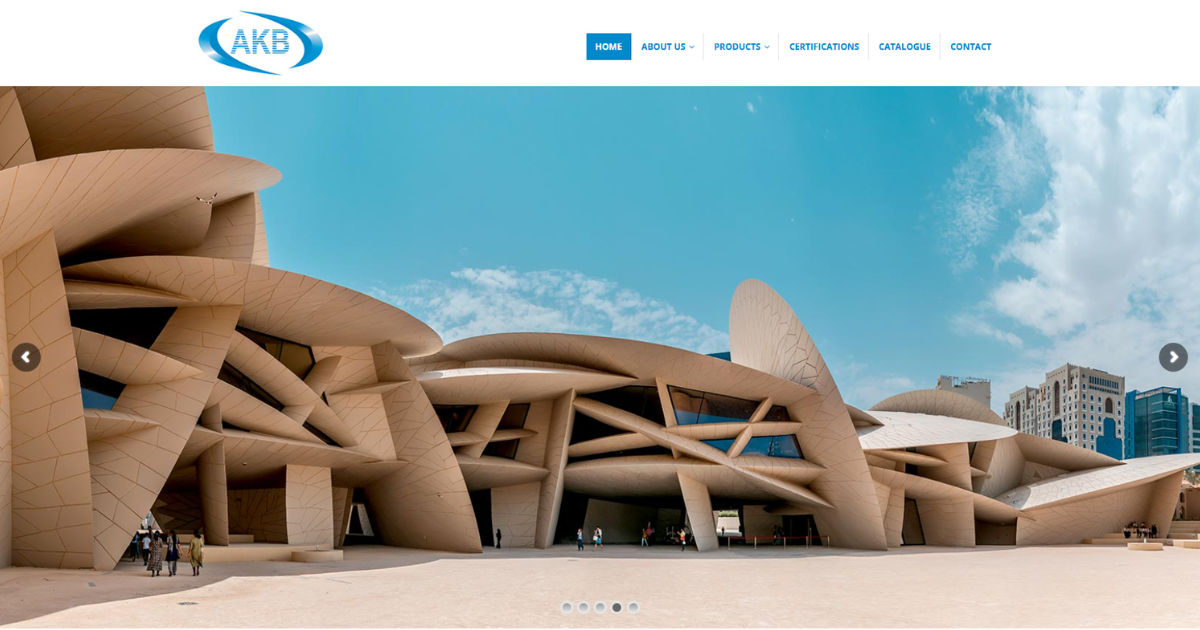
Companies like Akbari Engineering have pioneered innovative uses of aluminum in building envelopes, creating facades that are not only visually stunning but also energy-efficient and sustainable.
From high-rise towers to commercial complexes, aluminum façades are transforming the architectural landscape around the world.
In this comprehensive guide, we will explore how aluminum is used in façade systems, the types of aluminum applications, design considerations, installation methods, maintenance, sustainability factors, and future trends.
This guide is designed for readers with a basic understanding of architecture and construction, making it accessible and practical.
What is a Façade System?
A façade system is the exterior envelope of a building, which separates the indoor environment from the outdoor environment. It plays a crucial role in controlling temperature, natural light, air flow, and overall building aesthetics.
Aluminum is particularly well-suited for façade systems because it combines light weight with high strength. This allows architects to create innovative designs without compromising structural integrity. Façades are not just about looks—they also impact energy efficiency, building comfort, and sustainability.
Why Aluminum is Preferred in Façade Systems
Lightweight and Strong
Aluminum is significantly lighter than steel, yet it has high structural strength. This reduces the overall load on the building framework, allowing for taller and more complex structures.
Corrosion Resistance
One of aluminum’s key advantages is its natural resistance to corrosion. When exposed to air, it forms a thin oxide layer that protects it from rust. This property makes it ideal for external applications, where it will be exposed to rain, humidity, and pollution.
Aesthetic Flexibility
Aluminum can be extruded into various shapes and profiles, allowing architects to design sleek and modern facades. It can also be anodized, powder-coated, or painted in a wide range of colors, making it possible to match any design vision.
Sustainability
Aluminum is 100% recyclable without losing its properties. Using aluminum in façade systems contributes to sustainable construction practices and can significantly reduce a building’s carbon footprint.
Low Maintenance
Unlike wood or steel, aluminum requires minimal maintenance. Regular cleaning is usually enough to maintain its appearance and functionality, which makes it a cost-effective choice over the long term.
Types of Aluminum Façade Systems
Curtain Wall Systems
A curtain wall is a non-structural outer covering of a building, often made entirely from aluminum frames and glass panels. It is designed to resist weather elements and provide thermal insulation.
- Stick Systems: These involve assembling individual aluminum and glass components on-site. They are versatile but require more labor.
- Unitized Systems: Prefabricated units are manufactured off-site and installed as panels. They reduce installation time and improve quality control.
Cladding Systems
Aluminum cladding involves attaching panels to the exterior of the building framework. These panels can be flat, curved, or perforated, offering design flexibility. Cladding enhances insulation and protects the structure from environmental damage.
Sunshades and Louvers
Aluminum sunshades and louvers help in controlling sunlight and reducing heat gain inside the building. They are functional elements that also contribute to the modern look of the façade.
Aluminum Composite Panels (ACP)
ACP consists of two thin aluminum sheets bonded to a non-aluminum core. These panels are lightweight, durable, and available in various finishes. ACPs are commonly used for both aesthetic and thermal performance purposes.
Design Considerations
Structural Integrity
When designing an aluminum façade system, the structural load must be calculated carefully. Aluminum frames need to support the weight of panels, glass, and other elements, while also resisting wind and seismic forces.
Thermal Performance
Aluminum is a good conductor of heat, so designers often use thermal breaks to reduce heat transfer. These breaks improve energy efficiency and maintain comfortable indoor temperatures.
Acoustic Performance
In urban areas, façades must also provide sound insulation. Aluminum frames with double-glazed glass or specialized acoustic panels can significantly reduce noise levels inside the building.
Fire Safety
Aluminum is non-combustible, but certain coatings and core materials in composite panels may be flammable. Compliance with fire safety codes is essential during design and material selection.
Aesthetic Considerations
Aluminum offers limitless design possibilities. Architects can choose finishes, colors, patterns, and textures to create a signature look. Companies like Akbari Engineering specialize in combining functionality with contemporary aesthetics.
Installation Process
Planning and Preparation
Before installation, detailed site surveys are conducted. Measurements are taken to ensure precise alignment, and the aluminum panels are fabricated according to design specifications.
Fabrication
Aluminum is extruded or pressed into the required shapes and profiles. Surface treatments like anodizing, powder coating, or painting are applied to enhance durability and aesthetics.
Frame Installation
The primary aluminum frames are anchored to the building structure. Proper alignment and leveling are critical to ensure the façade’s stability and uniform appearance.
Panel Installation
Panels are attached to the frames using mechanical fasteners or adhesive systems. Unitized systems allow for pre-assembled panels, which can be quickly installed on-site.
Sealing and Finishing
Weatherproofing seals, gaskets, and silicone are applied to prevent air and water infiltration. Final inspections ensure that all joints are tight and the façade meets design and safety standards.
Maintenance and Longevity
Aluminum façades are low-maintenance but still require periodic care to retain their performance and appearance.
- Cleaning: Regular cleaning with mild detergents removes dirt, pollution, and salt deposits.
- Inspection: Annual inspections help detect early signs of corrosion, loose panels, or damaged gaskets.
- Repair: Minor scratches or dents can be repaired with touch-up paint or replacements of affected panels.
With proper maintenance, aluminum façade systems can last 30 to 50 years, making them a long-term investment for any building project.
Sustainability Aspects
Recyclability
Aluminum can be recycled indefinitely without losing quality. Using recycled aluminum in façade systems reduces energy consumption by up to 95% compared to producing new aluminum from ore.
Energy Efficiency
Aluminum façades can incorporate insulated panels, low-emissivity glass, and shading devices, contributing to reduced heating and cooling loads.
Environmental Impact
Lightweight aluminum reduces structural requirements, which in turn lowers material use in the building framework. Combining this with recyclable materials ensures a smaller environmental footprint.
Future Trends in Aluminum Façades
Smart Façades
Modern aluminum façades are integrating sensors and smart glass technologies. These systems adjust transparency, light reflection, and thermal performance based on environmental conditions.
Advanced Coatings
New coatings enhance aluminum’s resistance to UV radiation, scratches, and chemical exposure. This increases the lifespan of façades and reduces the frequency of maintenance.
Sustainable Innovations
Architects are exploring hybrid façade systems, combining aluminum with renewable materials and solar panels. This creates buildings that are energy-positive and environmentally friendly.
Case Studies
Commercial Skyscrapers
High-rise buildings often use curtain wall aluminum façades for their sleek appearance and lightweight properties. Akbari Engineering has been involved in projects where aluminum unitized systems reduced construction time and improved façade precision.
Residential Complexes
Aluminum composite panels are popular in residential buildings for their durability, aesthetic flexibility, and low maintenance. They provide homeowners with modern-looking exteriors that last decades.
Public and Institutional Buildings
Museums, airports, and schools use aluminum façades to combine functionality with iconic design. Perforated aluminum panels can enhance daylighting while reducing glare and heat gain.
Conclusion
Aluminum has firmly established itself as a preferred material for modern façade systems. Its combination of light weight, strength, corrosion resistance, and aesthetic versatility makes it ideal for buildings of all sizes and types. Companies like Akbari Engineering are leading the way in designing and implementing innovative aluminum façades that are functional, sustainable, and visually appealing.
From curtain walls and cladding to louvers and composite panels, aluminum allows architects to realize ambitious designs while maintaining energy efficiency and environmental responsibility. With ongoing advancements in smart façade technologies and sustainable practices, aluminum façades will continue to shape the architectural landscape of the future.
In short, aluminum is not just a building material—it is a tool for creativity, innovation, and sustainability in the world of modern construction.