

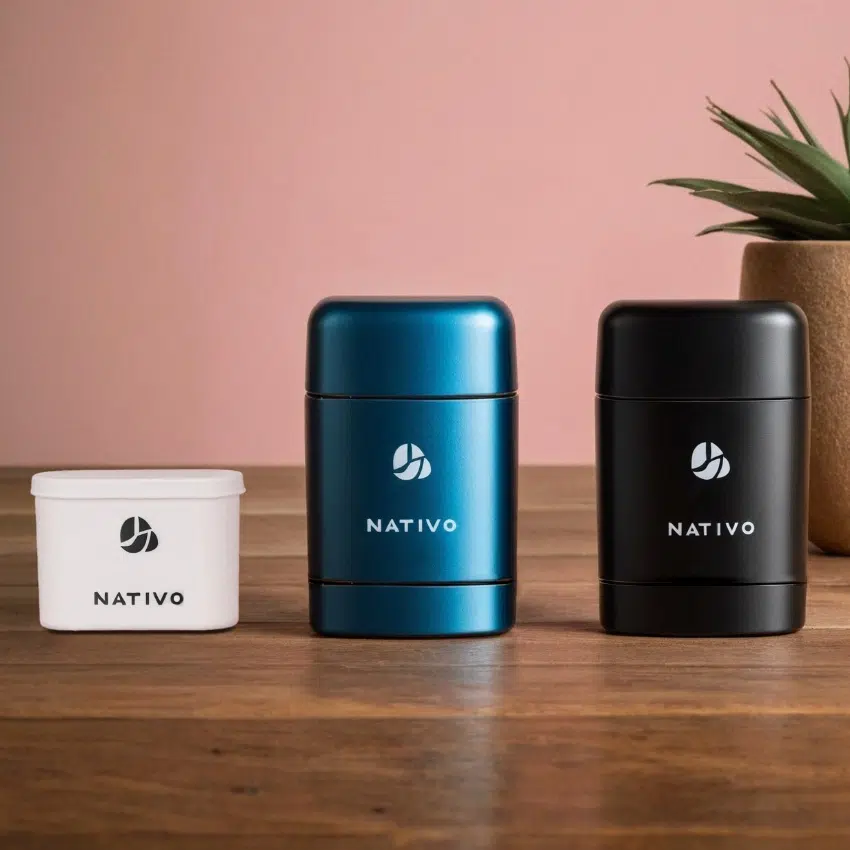
The lifecycle of a typical deodorant begins with resource extraction, where petroleum-based plastics and aluminum are mined and processed—activities that generate substantial greenhouse gas emissions. The manufacturing process often involves synthetic chemicals that can persist in ecosystems, while the plastic packaging, frequently non-recyclable, contributes to the growing crisis of microplastic pollution in our oceans.
Most alarming is the disposal phase—nearly 18 billion deodorant units are discarded annually worldwide, with plastic components taking up to 400 years to decompose in landfills. The aerosol varieties release volatile organic compounds (VOCs) that contribute to air pollution and climate change, making the humble deodorant a surprisingly significant environmental concern.
Plastic Packaging: Over 90% of conventional deodorants use plastic cases that aren't biodegradable, with less than 10% being recycled.
Chemical Ingredients: Aluminum compounds, parabens, and synthetic fragrances can disrupt aquatic ecosystems when washed into waterways.
Carbon Footprint: From raw material extraction to transportation, each deodorant stick generates approximately 0.5kg CO2 equivalent emissions.
Refillable Systems: Aluminum or glass deodorant container designs can reduce packaging waste by up to 80% over their lifecycle.
Natural Formulations: Plant-based ingredients avoid ecosystem contamination and biodegrade safely.
Minimalist Packaging: Cardboard tubes or compostable materials eliminate plastic waste entirely.
| Deodorant Type | Packaging Impact | Chemical Impact | Carbon Footprint |
|---|---|---|---|
| Conventional Plastic | High (non-recyclable) | High (synthetics) | 0.5kg CO2e per unit |
| Aerosol Spray | Medium (steel can) | Very High (propellants) | 0.7kg CO2e per unit |
| Refillable Aluminum | Low (reusable) | Variable | 0.2kg CO2e per refill |
| Natural/Cream | None (compostable) | None (organic) | 0.1kg CO2e per unit |
Transitioning to eco-friendly deodorant options doesn't require sacrificing effectiveness or convenience. Many brands now offer high-performance natural formulas in innovative deodorant container designs that make sustainability effortless. Aluminum cases, like those used in premium refillable systems, provide durability and aesthetic appeal while being infinitely recyclable.
For those seeking maximum sustainability, DIY deodorant recipes using baking soda, arrowroot powder, and essential oils can eliminate packaging waste entirely. These homemade versions not only reduce environmental impact but also allow complete control over ingredients—particularly beneficial for individuals with sensitive skin or specific scent preferences.
The personal care industry is responding to consumer demand for greener options with innovative luxury packaging solutions that combine sustainability with premium aesthetics. From biodegradable push-up tubes to sleek, refillable metal cases, these advancements prove that environmental responsibility can coexist with product excellence.
GVPAK's expertise in sustainable materials and manufacturing processes enables brands to develop deodorant packaging that meets both ecological and commercial objectives. By focusing on durable, reusable designs and clean material sourcing, the industry can significantly reduce its environmental footprint while delivering products that consumers feel good about using every day.