

Having a metal implant does not automatically mean that you cannot have an MRI. Modern medical implants are made from many different materials, and some are specifically designed to be compatible with MRI scanners.Before an MRI, the imaging center needs to know exactly what implant you have. The staff may ask for the implant's name, manufacturer, model, or medical records. 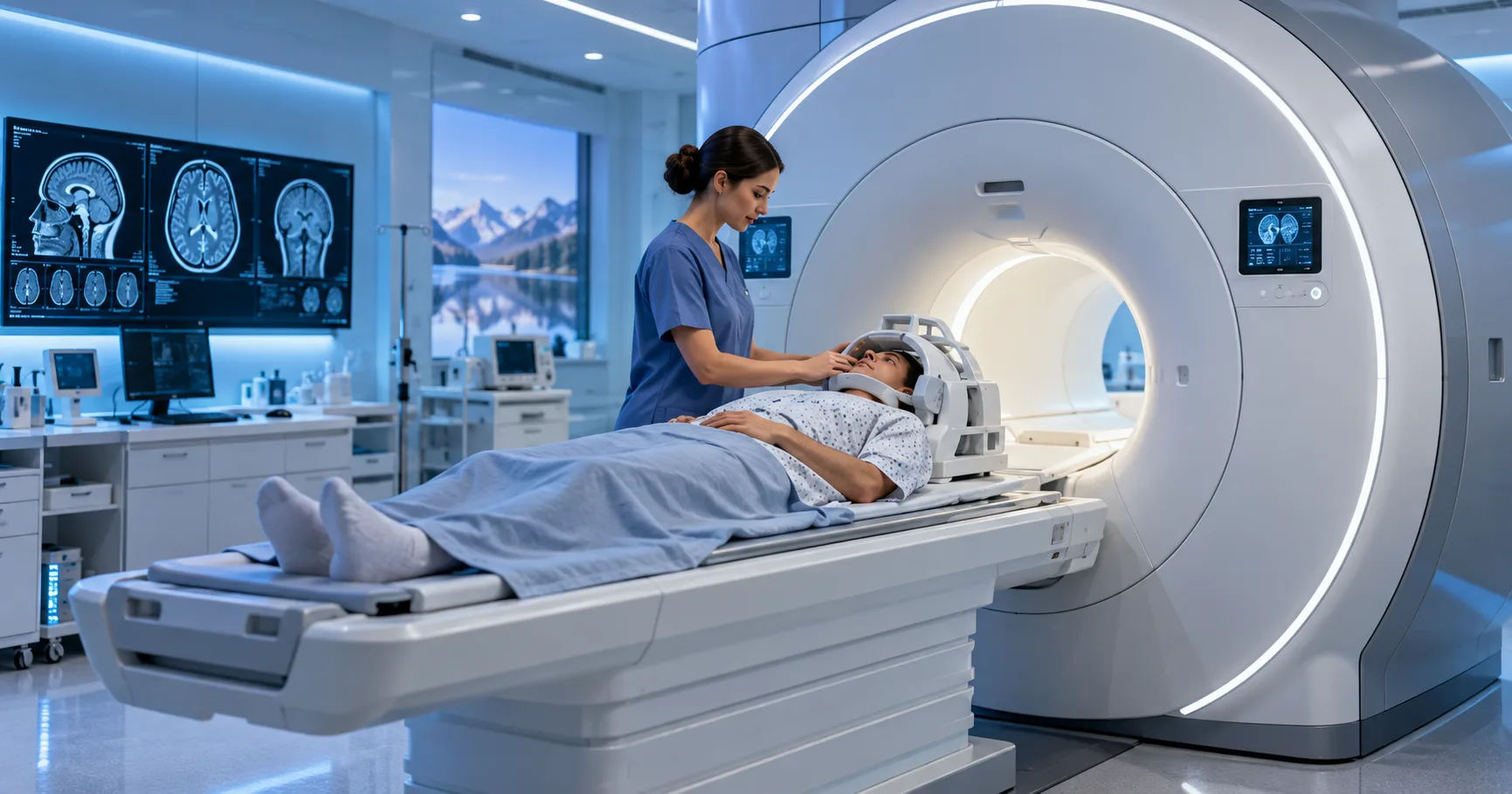 This information helps them determine whether the implant is safe under the scanner's specific conditions.
If you are considering mri karachi services, tell the imaging center about any metal implants when making your appointment rather than waiting until you arrive.
Why Does Metal Matter During an MRI?
MRI scanners use a strong magnetic field along with radiofrequency energy to create detailed images inside the body.
Certain types of metal can react to the magnetic field. Depending on the material and implant design, the metal could potentially move, heat up, malfunction, or affect the quality of the images.
This is why MRI safety is different from simply asking whether something contains metal.
A metal object can be completely unsuitable for an MRI, while another metal implant may be considered safe under particular scanning conditions.
What Does MRI-Compatible Mean?
MRI safety is generally described using terms such as MR Safe, MR Conditional, and MR Unsafe.
MR Safe
An item classified as MR Safe is considered safe in the MRI environment under the conditions defined for that classification.
These items do not pose the same magnetic-field-related concerns as implants that contain materials strongly affected by MRI.
MR Conditional
MR Conditional means an implant may be scanned safely only under specific conditions.
Those conditions can include the MRI system's magnetic field strength, scanning settings, the location of the implant, and other technical requirements.
This is particularly important because an implant being described as "MRI compatible" does not necessarily mean it can be placed into every MRI scanner without restrictions.
MR Unsafe
MR Unsafe means the device or implant should not enter the MRI environment because it presents an unacceptable safety risk.
The imaging center should make this determination rather than the patient.
Which Metal Implants May Be Safe?
Many modern orthopedic implants, such as certain joint replacements, plates, screws, and fixation devices, can often be scanned under appropriate conditions.
However, the exact implant matters.
For example, two people may both have metal plates but have different manufacturers and models. Their MRI safety requirements may therefore be different.
Some dental materials and orthopedic hardware also create relatively minor safety concerns, although they can sometimes cause image distortion near the implant.
The important point is that the presence of metal alone is not enough to decide whether an MRI is possible.
Implants That Require Special Attention
Some implanted medical devices need much more careful evaluation before an MRI.
Pacemakers and Defibrillators
People with pacemakers or implantable cardioverter-defibrillators should always tell the MRI team about the device.
Many newer systems are designed as MR Conditional, but the exact device and its components must be identified.
The MRI facility may need to follow specific procedures before, during, and after scanning.
Cochlear Implants
Some cochlear implants have strong magnets or other components that require special MRI precautions.
The MRI team needs to know the exact model before deciding whether scanning can be performed.
Neurostimulators
Implanted neurostimulators can also have specific MRI requirements.
Depending on the device, certain settings may need to be changed or particular scanning conditions may be required.
Medication Pumps
Some implanted pumps can be affected by MRI conditions. The medical team should identify the specific pump and check its MRI requirements before scanning.
Aneurysm Clips
Older types of intracranial aneurysm clips can present serious MRI safety concerns.
If you have ever had brain surgery involving an aneurysm clip, provide the MRI center with your surgical records or implant information whenever possible.
What If You Do Not Know What Metal Was Implanted?
Do not guess.
If you do not know the implant's material or model, tell the MRI facility.
The staff may ask you to contact the surgeon or hospital where the procedure was performed. Medical records may contain the implant details.
In some situations, previous imaging or other medical documentation may help doctors determine what was implanted.
An MRI should not be performed simply because someone assumes that an implant is probably safe.
What Information Should You Give the MRI Center?
When arranging an MRI, provide as much information as possible about your implant.
Tell them what type of procedure you had and approximately when it was performed.
If you have an implant card, bring it with you. It may contain the manufacturer, model number, and MRI safety information.
Also mention any other implanted or retained medical devices.
This information allows the MRI team to perform the appropriate safety screening before you enter the scanner room.
Can Metal Implants Affect MRI Images?
Yes. Even when an implant is safe for MRI, it can sometimes affect image quality.
Metal can create an artifact that makes nearby structures appear distorted, blurred, or difficult to interpret.
This is particularly relevant when the area being examined is close to the implant.
For example, hardware around a joint can make it more difficult to obtain clear images of tissues immediately surrounding that hardware.
How Imaging Teams Handle Artifacts
Modern MRI scanners have techniques designed to reduce metal-related artifacts.
The radiology team may choose particular imaging sequences or scanning settings depending on the implant and the body area being examined.
The goal is to obtain useful diagnostic images while maintaining safety.
Is MRI Painful With a Metal Implant?
The MRI itself is generally not painful simply because a person has a metal implant.
You may hear loud knocking or buzzing sounds during the scan, and you usually need to remain still while images are being taken.
The important issue with an implant is MRI safety, not whether the scan normally causes pain.
If you experience unusual discomfort during a scan, you should immediately communicate with the MRI technologist.
What Happens Before an MRI?
Before entering the MRI room, you will go through a safety screening process.
The staff may ask about surgeries, implants, medical devices, metal fragments, and other objects that could be affected by the magnetic field.
You may also be asked to remove jewelry, watches, hair accessories, phones, cards, and other metal-containing or magnetic items.
If you have worked with metal, had an injury involving metal fragments, or have an unknown object inside your body, mention it to the MRI staff.
The screening process is an important part of keeping the examination safe.
What If You Have a Metal Fragment in Your Eye?
This is different from having a known medical implant.
A person who has previously had an eye injury involving metal, particularly from grinding, welding, or similar work, should tell the MRI facility.
A retained metal fragment may create a significant safety concern because the MRI's magnetic field can interact with certain metallic objects.
The imaging team may need additional evaluation before proceeding.
Can MRI Be Done After Joint Replacement?
In many cases, yes.
People with hip, knee, shoulder, or other joint replacements are often able to undergo MRI when the implant has been properly identified and its safety requirements have been confirmed.
However, the exact implant still matters.
If the MRI is being performed on the same joint or nearby area, the radiologist may also consider the possibility of metal-related image artifacts.
What About Metal Plates and Screws?
Many modern orthopedic plates and screws are compatible with MRI under appropriate conditions.
The surgical location and implant type are still important.
If you had surgery many years ago and cannot remember what hardware was used, tell the imaging center. They can determine what information is needed before the appointment.
Never remove or alter an implant simply because you have been advised to undergo an MRI. Implant removal is a medical decision that belongs with your treating healthcare professionals.
What About Braces, Dental Work, or Fillings?
Dental fillings, crowns, braces, and other dental materials can contain metal or other materials, but they do not all present the same MRI concerns.
They can sometimes produce artifacts, particularly when MRI images are being taken around the head, face, or mouth.
Tell the MRI technologist about dental devices during the screening process.
Whether a specific dental device creates a safety concern depends on its material and design.
Choosing an MRI Center in Karachi
If you need mri karachi services, choose a facility that follows formal MRI safety screening procedures.
When booking, explain that you have a metal implant. Do not simply book the scan without mentioning it.
Ask what documentation they need before your appointment.
A good imaging facility should be able to review the implant information and determine the appropriate scanning conditions before the examination.
If your implant is complex or the situation is unclear, the radiology team may need additional information from your surgeon or the implant manufacturer.
What Should You Bring to Your Appointment?
Bring your implant identification card if you have one.
Previous surgical records can also be useful.
If another doctor has previously determined that you can safely undergo MRI with the implant, provide any relevant documentation to the imaging center.
You should also bring your doctor's MRI request or referral if required by the facility.
Having the relevant information available can prevent delays and unnecessary repeat appointments.
Why You Should Not Hide an Implant
Some patients may worry that mentioning an implant will cause their appointment to be canceled.
It is much safer to disclose it.
The MRI team needs accurate information to decide whether the examination can proceed and under what conditions.
Even if you have had an MRI before without problems, tell the staff about the implant again. A previous successful scan does not replace the need for appropriate screening.
Different MRI scanners and different implant models can have different requirements.
What If MRI Is Not Appropriate?
If an MRI cannot safely be performed, your doctor may consider another imaging method.
Depending on the medical question, alternatives can include CT, ultrasound, or X-ray.
The appropriate alternative depends on what part of the body needs to be examined and what information the doctor needs.
Do not choose an alternative test yourself simply because you have a metal implant. Discuss the options with your doctor and the radiology team.
Questions to Ask Before Your Scan
If you have a metal implant, it is reasonable to ask the imaging center whether they need your implant details before scheduling.
You can also ask whether your implant has specific MRI conditions and whether the radiology team needs documentation from your surgeon.
If you have an implanted electronic device, ask whether special programming or monitoring procedures are required.
These questions can make the appointment smoother and help the medical team prepare appropriately.
Conclusion
Having a metal implant does not automatically prevent you from getting an MRI. Many modern implants can be scanned safely when their exact specifications are known and the MRI is performed according to the appropriate conditions.
However, some implants and retained metal objects can create significant safety concerns. Pacemakers, defibrillators, cochlear implants, neurostimulators, medication pumps, certain aneurysm clips, and unknown metal fragments require careful evaluation.
If you are looking for mri karachi services and have a metal implant, inform the imaging center before your appointment. Give them your implant card, surgical records, or other available information. Do not rely on assumptions about whether a particular metal is safe.
It is also important to understand that MRI safety and image quality are separate issues. An implant may be safe inside the scanner but still produce artifacts that reduce the quality of images around it. Modern MRI techniques can sometimes reduce these effects.
The safest approach is simple: disclose every known implant, provide accurate information, and allow qualified MRI and radiology professionals to determine whether and how the scan should be performed. This helps ensure that the examination is both appropriate and as safe as possible.