

When someone is arrested in Los Angeles, one of the first concerns for their family is understanding how they can secure their release from custody. The bail process can seem confusing, especially when people are unfamiliar with court procedures, booking requirements, and the rules that determine when someone can be released. Understanding when a los angeles bail bondsman can post a bond helps families recognize the different stages of the process and know what to expect. 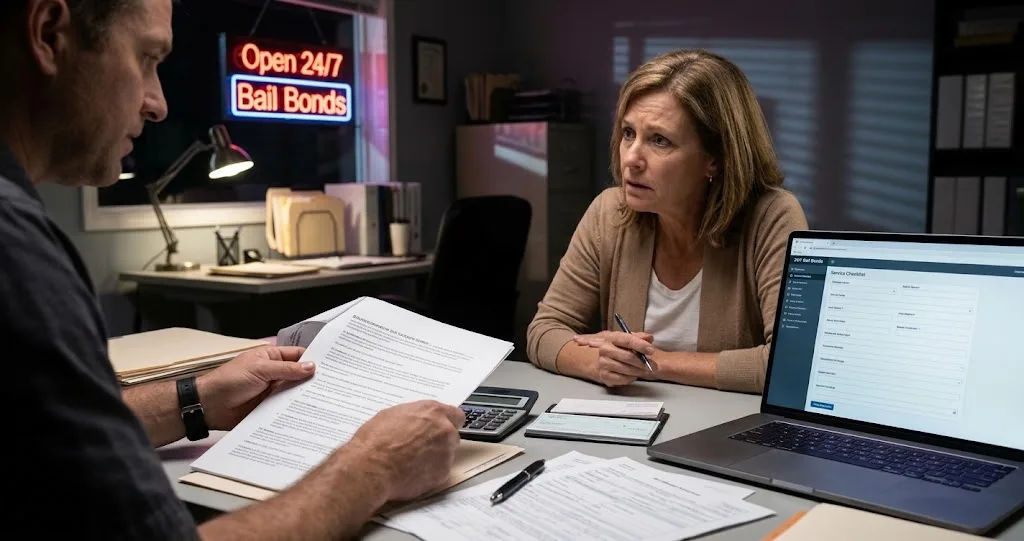 Bail is a legal arrangement that allows an eligible defendant to remain out of custody while their criminal case moves through the court system. However, posting a bond does not happen automatically after an arrest. Certain conditions must be met, including completing the booking process, establishing the applicable bail amount, and confirming that the person is eligible for release under the circumstances of their case.
A los angeles bail bondsman may be able to arrange a surety bond once the necessary information has been confirmed and the relevant requirements have been satisfied. The exact timing depends on the arresting agency, the jail facility, the court's decisions, and the availability of the required documentation.
This comprehensive guide explains when a bond can be posted, what happens before and after posting, which factors can cause delays, and how the release process generally works in Los Angeles County.
How Bail Works in Los Angeles
Bail is designed to provide a legal way for an eligible person to be released from custody while agreeing to appear at future court proceedings.
When someone is arrested, authorities generally take them through several administrative steps before release can be considered. These steps may include identifying the person, recording arrest information, checking outstanding warrants, and determining the applicable release conditions.
The bail amount may be determined by an established county bail schedule or by a judge, depending on the circumstances.
What Is a Bail Bond?
A bail bond is a financial guarantee connected to a defendant's release from custody. In a surety bond arrangement, a licensed bail bond company guarantees the required bail amount to the court through a surety arrangement.
The person arranging the bond generally pays a nonrefundable premium to the licensed company. The company then assumes contractual and financial responsibilities associated with the bond.
A bail bond is different from paying the full bail amount directly to the court. It allows eligible defendants to seek release without having to provide the entire bail amount in cash.
Who Determines the Bail Amount?
Bail amounts are generally based on the applicable Los Angeles County bail schedule or a judicial decision.
A judge may consider relevant legal circumstances when deciding whether bail is appropriate and what conditions should apply. These considerations can include:
-
The nature and seriousness of the alleged offense.
-
The defendant's criminal history.
-
Previous failures to appear in court.
-
Potential public safety concerns.
-
Applicable legal restrictions.
-
Circumstances requiring special release conditions.
Not every arrested person qualifies for release through a commercial bail bond. Some cases involve detention restrictions, special court orders, or other legal requirements.
When Can a Los Angeles Bail Bondsman Post a Bond?
A bond can generally be posted after the person has been arrested, the necessary booking information is available, and the applicable bail amount or release conditions have been established.
There is no single guaranteed waiting period for every arrest. The timing depends on the jail's procedures, the legal circumstances, and whether all required information has been confirmed.
After the Arrest Has Been Recorded
The process usually begins when law enforcement takes someone into custody.
Following an arrest, the person is transported to an appropriate detention facility. Officials begin recording information about the arrest and identifying the individual.
Before a bond can be processed, the detention facility generally needs sufficient information to identify the person and locate their custody record.
A family member may contact a licensed los angeles bail bondsman to understand the general requirements, but the actual bond transaction depends on the availability and verification of the relevant jail information.
After the Booking Process Is Completed
Booking is an important stage because it establishes the person's official detention record.
The process commonly includes:
-
Recording personal identification information.
-
Documenting the alleged charges.
-
Taking fingerprints and photographs.
-
Checking relevant records and warrants.
-
Entering custody information into the facility's system.
-
Determining applicable bail or release information.
A bond generally cannot be properly processed until the necessary custody information is available.
Once the Bail Amount Is Confirmed
After booking, the applicable bail amount or release conditions must be established.
The amount may be available through the county bail schedule, or a judge may need to make a decision.
Once the amount and eligibility are confirmed, a licensed bail bond company can explain whether a surety bond is an available option.
When the Jail Accepts the Bond
Posting a bond and physically releasing someone are two different stages.
Even after the bond paperwork and financial arrangements have been completed, the detention facility must receive and process the bond.
The jail then completes its own release procedures, which may include additional record checks and administrative requirements.
Can a Bond Be Posted Before the First Court Appearance?
In many situations, yes. California law allows qualifying individuals to be released on bail before their first court appearance when the applicable requirements are satisfied.
The Los Angeles County bail schedule helps establish the amount for certain arrests before a defendant appears in court.
However, the availability of bail depends on the charges, applicable restrictions, and individual circumstances.
Pre-Arraignment Bail
Pre-arraignment bail refers to bail posted before the defendant's first appearance before a judge.
When a person qualifies, the jail may accept an eligible surety bond based on the applicable bail schedule or arrest warrant.
This can allow the person to be released without waiting for the first court hearing.
Bail After Arraignment
Arraignment is the court hearing where the defendant is formally informed of the charges and enters a plea.
At this stage, a judge may review the circumstances and determine whether bail should be granted, changed, or denied.
The judge may also establish additional release conditions.
If the court changes the bail amount, the previous arrangements may need to be reviewed before a new bond can be accepted.
The Los Angeles Superior Court provides separate felony and misdemeanor bail schedules and explains how bail may be determined before a defendant's first court appearance.
Can a Los Angeles Bail Bondsman Post a Bond at Night or on Weekends?
An arrest does not necessarily have to happen during regular business hours for bail to be considered.
Los Angeles has detention facilities with procedures for accepting bail outside ordinary court business hours.
For example, the Los Angeles Police Department states that bail can be posted at its jails 24 hours a day.
Nighttime Arrests
When someone is arrested at night, the booking process may continue into the early morning.
The timing depends on how quickly the arrest information is entered, whether identification checks are completed, and whether the person's bail eligibility can be established.
A bond may be considered once the necessary information becomes available and the detention facility is able to process it.
Weekend and Holiday Arrests
Weekends and public holidays do not automatically prevent bail from being posted.
However, processing times can vary depending on the detention facility, staffing, verification requirements, and the nature of the case.
A family should avoid assuming that an arrest on Friday will automatically result in a Monday release.
The actual timing depends on the circumstances and the facility's procedures.
What Information Is Needed Before a Bond Can Be Posted?
Accurate information is important when determining whether a bond can be processed.
Without reliable custody and case information, it may be difficult to establish the applicable bail requirements.
The following details are commonly relevant:
Full Legal Name
The person's complete legal name helps distinguish their custody record from records belonging to other individuals.
Spelling mistakes or incomplete identification details can create confusion.
Booking Number
A booking number is an important identifier assigned during the detention process.
It helps distinguish the person's record and may assist authorized parties in confirming custody information.
Jail or Detention Facility
Knowing where the person is being held is important because different agencies and facilities may have separate administrative procedures.
An arrest may result in detention at an LAPD facility or a Los Angeles County Sheriff's Department facility.
Charges and Bail Information
The alleged charges help determine which bail schedule or judicial order applies.
The amount should always be verified through an appropriate official source rather than estimated from general information.
How Long Does It Take After a Bond Is Posted?
Posting a bond does not mean that the person will immediately walk out of the detention facility.
The jail must complete its release procedures after accepting the required financial guarantee and documentation.
Verification of the Bond
The facility must confirm that the bond has been properly submitted and accepted.
This can involve checking the bond amount, confirming the relevant case information, and ensuring that the documentation meets the facility's requirements.
Identification Checks
Authorities may also need to complete identity verification.
According to the Los Angeles County Sheriff's Department's procedures, fingerprint identification can be an important part of determining whether an individual is ready for release.
Its published procedures explain that electronic fingerprint identification is generally possible within two hours in many circumstances, although additional delays can occur.
Checking for Additional Holds
Another important consideration is whether the individual has outstanding warrants, additional charges, or other legal holds.
A bond covering one case does not necessarily resolve every separate reason for detention.
The jail may therefore need to verify the person's complete custody status before authorizing release.
Completing Release Procedures
Once all relevant requirements have been satisfied, the facility processes the release.
The actual waiting period varies. Some releases may be relatively quick, while others require additional administrative work.
What Circumstances Can Prevent a Bond From Being Posted?
Not every arrest results in immediate eligibility for a commercial bail bond.
Certain legal circumstances may prevent a bond from being accepted or may require judicial review.
No Bail or Special Court Restrictions
Some cases involve legal restrictions that prevent ordinary bail arrangements.
A judge may order detention or establish special conditions depending on the circumstances.
A bail bond company cannot independently override a court order.
Outstanding Warrants
If someone has another outstanding warrant, posting a bond for the current arrest may not resolve the additional matter.
The authorities must determine whether the separate warrant requires continued detention.
Additional Criminal Charges
A person may face more than one charge arising from the same incident or from separate cases.
Each charge may have different bail requirements.
The existence of additional charges can affect the overall release decision.
Court-Ordered Changes
A judge may increase or decrease bail, impose additional conditions, or decide that the person should remain in custody.
When this happens, the release process must follow the court's updated decision.
Identity Verification Problems
If authorities cannot confirm a person's identity, release may be delayed.
This is why administrative verification remains important even after the bond has been accepted.
How Much Does a Bail Bond Cost?
The cost of a bail bond depends primarily on the amount of bail and the premium charged under the applicable California regulations.
In California, the Department of Insurance explains that the cost is commonly around 10% of the total bail amount, although the applicable filed rate and permitted charges should be confirmed.
For example, a hypothetical $20,000 bond at a 10% premium would have a premium of $2,000.
This is an illustration, not a quotation for an actual case.
Premium
The premium is the fee paid for the surety bond service.
It is generally nonrefundable, even if the criminal charges are later dismissed.
Consumers should understand the agreement before entering into a financial arrangement.
Collateral
Some agreements may involve collateral or other financial security.
Collateral is separate from the premium and may be subject to specific contractual conditions.
The California Department of Insurance explains that collateral is generally not released until the bond is exonerated and the applicable requirements are satisfied.
Why Written Documentation Matters
People arranging a bond should receive clear documentation explaining the transaction.
California regulations require bail licensees to provide information about the surety, the premium, the defendant, the bond amount, court appearance details, and applicable collateral arrangements.
What Happens After the Bond Is Accepted?
Once the bond has been accepted, the process moves toward the defendant's release.
However, the bond also creates responsibilities that continue throughout the criminal case.
The Defendant Receives Release Information
The defendant should receive information about the bond and the next required court appearance.
It is important to understand the date, time, and location of the hearing.
Missing a required court appearance can have serious legal and financial consequences.
The Court Keeps the Bond Active
A surety bond generally remains active while the case is pending, subject to the applicable court proceedings and bond conditions.
The defendant must follow the release requirements established by the court.
The Case Continues
Being released on bail does not mean that criminal charges have disappeared.
The defendant must continue addressing the case through the appropriate legal process.
The court may eventually exonerate the bond when the legal requirements for ending the bond obligation have been satisfied.
How to Understand the Role of a Los Angeles Bail Bondsman
A licensed bail professional has a specific role in the release process.
Understanding that role helps families recognize what a bond service can and cannot accomplish.
Explaining the Bond Agreement
The professional can explain the financial terms, premium, collateral requirements, and responsibilities associated with the agreement.
People should have an opportunity to understand the terms before agreeing to them.
Providing Information About Processing
A los angeles bail bondsman can explain the general bond process and clarify which administrative requirements may still need to be completed.
However, the bondsman does not control jail staffing, fingerprint verification, court decisions, or release schedules.
Explaining Financial Responsibilities
The bond agreement may create responsibilities for the person signing it.
Anyone considering such an agreement should carefully review the payment arrangements, collateral provisions, and potential financial consequences.
It is also important to confirm that the bail agent and surety company are properly licensed.
The California Department of Insurance provides information about licensing and consumer protection in the bail bond industry.
Common Misunderstandings About Posting Bail
Several misunderstandings can create unrealistic expectations about the release process.
Understanding the facts makes it easier to recognize what is legally possible.
A Bond Can Always Be Posted Immediately After Arrest
This is incorrect.
Booking, identification, custody records, and bail eligibility must be established before a bond can be properly processed.
Paying the Premium Guarantees Immediate Release
Paying the premium does not automatically guarantee that someone will leave custody immediately.
The jail must accept the bond and complete its release requirements.
Other warrants or legal holds may also prevent release.
Posting Bail Ends the Criminal Case
A bail bond only addresses the financial guarantee associated with release.
The underlying criminal case continues until it is resolved through the legal system.
Every Defendant Has the Same Bail Amount
Bail depends on the applicable schedule, charges, enhancements, judicial decisions, and other relevant circumstances.
Different cases can have significantly different requirements.
Conclusion
Understanding when a los angeles bail bondsman can post a bond requires knowing how arrests, booking procedures, bail schedules, and court decisions work together.
Generally, a bond may be posted after an individual has been arrested, the necessary booking information is available, and the applicable bail amount and release eligibility have been confirmed.
In qualifying cases, bail may be posted before the first court appearance. Other cases require a judicial decision before release can take place.
The time of arrest does not automatically determine whether bail can be processed. Nighttime, weekend, and holiday procedures may be available, although the time needed for verification and release can vary.
It is equally important to remember that accepting a bond and releasing someone from custody are separate stages. The detention facility must verify the paperwork, check the person's custody status, and complete its administrative responsibilities.
Families should also understand the financial responsibilities associated with a surety bond, including premiums, collateral, and contractual obligations.
Most importantly, posting bail does not end criminal proceedings. The defendant must follow all applicable release conditions and attend required court hearings.
By understanding these procedures, people can develop realistic expectations about the bail process and recognize when legal guidance is necessary. Every case is different, so official court information and qualified legal advice remain important when making decisions about an actual arrest.