

Damaged hair is a common concern for people who regularly use heat-styling tools, chemical treatments, hair dyes, or unsuitable hair products. Hair can become dry, rough, brittle, and difficult to manage when its protective outer layer is weakened. Environmental factors, including sunlight, dust, pollution, and changes in humidity, can also affect hair health. Fortunately, the right hair care routine can help improve the appearance, softness, and manageability of damaged hair.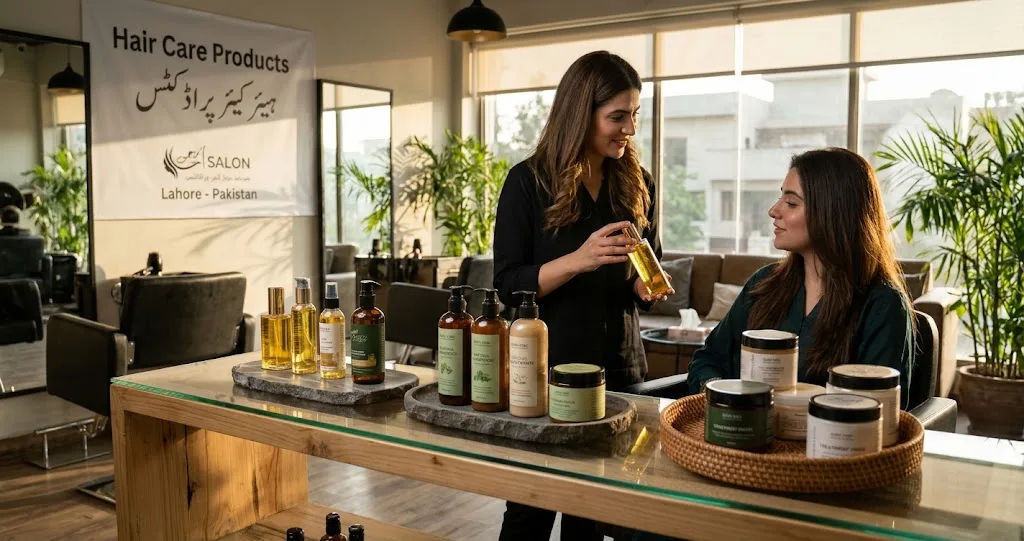
Choosing suitable products is an important step toward healthier-looking hair. Hair care products pakistan offer different options for people dealing with dryness, split ends, frizz, breakage, and scalp-related concerns. These options include moisturizing shampoos, nourishing conditioners, deep-conditioning masks, leave-in treatments, and hair serums. However, the best results depend on selecting products according to your hair type, understanding the ingredients, and using them consistently.
Although damaged hair cannot completely repair itself because the visible hair strand is made of nonliving cells, appropriate care can reduce further damage and improve its condition. A balanced routine can help protect the hair shaft, reduce friction, and make strands feel smoother. Understanding what causes hair damage and which products address specific concerns can help you make better decisions for your hair.
What Causes Hair Damage
Before choosing suitable products, it is important to understand why hair becomes damaged. Different causes require different approaches, and identifying the main problem can make your routine more effective.
Excessive Heat Styling
Hair dryers, straighteners, and curling irons can expose hair to high temperatures. Frequent heat styling may weaken the hair shaft, remove moisture, and make strands more likely to break.
Using these tools without protection can be particularly damaging to already dry or chemically treated hair. Repeated exposure may also increase frizz and make split ends more noticeable.
To reduce heat-related damage, limit the use of hot tools and choose lower temperature settings. A heat-protectant product can help reduce damage during styling, although it cannot eliminate the risks associated with excessive heat.
Chemical Treatments and Hair Coloring
Bleaching, permanent coloring, relaxing, and chemical straightening can change the hair's structure. These treatments may weaken the protective cuticle and affect the internal proteins responsible for hair strength.
Overprocessing can leave hair rough, tangled, and unusually stretchy when wet. In severe cases, strands may break during brushing or washing.
People who regularly color or chemically treat their hair should consider gentle shampoos, conditioners, and occasional intensive conditioning treatments. Allowing sufficient time between chemical services can also help prevent additional damage.
Environmental Exposure
Sunlight, dust, pollution, wind, and dry weather can contribute to hair dryness and tangling. In some environments, humidity can make hair swell and become frizzy, while prolonged sun exposure may weaken the hair's surface.
Covering your hair when spending long periods outdoors can help reduce environmental exposure. Washing away accumulated dirt and using a suitable conditioner can also improve manageability.
Incorrect Hair Care Habits
Rough towel drying, aggressive brushing, tight hairstyles, and frequent washing with harsh products can contribute to breakage.
Wet hair is especially vulnerable to stretching and mechanical damage. Pulling through knots with a fine-toothed comb or brushing forcefully can cause unnecessary breakage.
Gentle handling is therefore just as important as purchasing quality products.
How Hair Care Products Pakistan Can Help Damaged Hair
hair care products pakistan products can improve the condition of damaged hair by increasing softness, reducing friction, supporting moisture retention, and protecting strands against further wear.
Different products serve different purposes, so choosing a complete routine is often more useful than relying on a single shampoo or oil.
Moisturizing Shampoos for Dry Hair
Shampoo removes sweat, excess oil, dirt, and product buildup from the scalp and hair. However, some shampoos may leave dry or damaged hair feeling rough, especially when they contain strong cleansing agents or are used too frequently.
A moisturizing shampoo can help cleanse the scalp while making the lengths of the hair easier to manage.
Look for formulas containing ingredients such as glycerin, panthenol, or conditioning agents. These ingredients can help improve moisture retention or hair feel, depending on the formulation.
If your hair is very dry, concentrate shampoo on the scalp rather than repeatedly scrubbing the entire length. The shampoo that runs through the hair during rinsing is generally sufficient to clean the lengths.
People with oily scalps may need more frequent washing, while those with dry hair may benefit from washing less often. Your routine should depend on your scalp condition rather than following a fixed schedule.
Conditioners for Smoothness and Reduced Breakage
Conditioner is one of the most useful products for damaged hair. It helps smooth the hair surface, reduce friction, improve detangling, and make strands easier to comb.
Ingredients such as cationic conditioning agents, fatty alcohols, silicones, and certain oils can improve softness and reduce tangling.
Apply conditioner mainly to the mid-lengths and ends, where damage is usually more noticeable. Allow it to remain on the hair for the recommended time before rinsing.
Consistent conditioning may help reduce mechanical breakage caused by brushing and styling. However, it cannot permanently restore a hair strand that has already split or suffered severe structural damage.
For many people, using conditioner after every shampoo makes a noticeable difference in hair manageability.
Deep-Conditioning Hair Masks
Hair masks provide a more intensive conditioning treatment than many everyday conditioners. They can be particularly useful for hair that feels rough, dry, tangled, or difficult to style.
Some masks focus on moisture and softness, while others contain proteins or other conditioning ingredients intended to improve the feel and strength of damaged strands.
A moisturizing mask may contain ingredients such as glycerin, fatty alcohols, plant oils, or conditioning compounds. Protein-containing formulas may temporarily improve the feel of weakened hair, although results depend on the product and the extent of the damage.
Use a mask according to its instructions, often once a week or as needed. Applying it more frequently is not always better, particularly if the formula leaves your hair heavy or coated.
If your hair becomes stiff or unusually rough after using a protein-rich product, consider reducing its frequency and switching to a more moisturizing formula.
Leave-In Conditioners and Hair Serums
Leave-in conditioners remain on the hair after washing, providing ongoing conditioning and helping control tangles.
They can be especially useful for long, curly, wavy, bleached, or chemically treated hair. Depending on the formula, they may improve softness, reduce frizz, and make detangling easier.
Hair serums often contain silicones or other smoothing ingredients that create a thin coating around the strands. This coating can improve shine and reduce friction during styling.
Apply a small amount to the mid-lengths and ends, adjusting the quantity according to your hair thickness. Using too much may leave fine hair looking greasy or flat.
When selecting hair care products pakistan, consider whether your main concern is dryness, frizz, breakage, or heat exposure. Choosing products that address your specific needs can make your routine simpler and more effective.
Choosing Products According to Your Hair Type
Not every product works equally well for every person. Hair thickness, texture, scalp condition, and the level of damage all influence which formulas are most suitable.
Products for Dry and Rough Hair
Dry hair usually benefits from gentle cleansing and regular conditioning. Cream-based conditioners, moisturizing masks, and leave-in products may help improve softness and reduce tangling.
Look for products designed for dry hair rather than selecting them based only on packaging or fragrance.
You may also benefit from reducing heat styling and avoiding unnecessary chemical treatments.
Products for Fine and Thin Hair
Fine hair can become weighed down by heavy oils, thick masks, and rich leave-in creams.
Lightweight conditioners and small amounts of serum may provide sufficient smoothness without making the hair appear flat.
Apply richer products mainly to the ends, and avoid putting unnecessary amounts on the scalp unless the product is specifically designed for scalp use.
Remember that fine hair is not automatically damaged hair. Choose products based on your actual concerns rather than assuming that every fine strand needs intensive repair treatment.
Products for Curly and Wavy Hair
Curly and wavy hair can be more vulnerable to tangling and may feel dry because scalp oils do not travel as easily along curved strands.
Conditioners, leave-in creams, and suitable styling products can help maintain softness and reduce friction.
Detangle gently while the hair is conditioned, using your fingers or a wide-toothed comb. Avoid forcefully brushing dry curls if doing so causes frizz or breakage.
Products for Chemically Treated Hair
Bleached, relaxed, or frequently colored hair may need extra conditioning and careful handling.
Choose gentle cleansing products and conditioners formulated for damaged or chemically treated hair. A suitable bond-building treatment may also help improve the feel or structural integrity of some damaged strands, depending on its technology.
No treatment can guarantee complete restoration, especially when the hair is severely overprocessed.
If your hair stretches excessively when wet, breaks in large amounts, or feels gummy after bleaching, stop further chemical treatments and consult an experienced hair professional.
Important Ingredients to Look for in Hair Care Products Pakistan
Understanding product ingredients can help you choose formulas that suit your needs.
Glycerin and Other Humectants
Glycerin is a humectant that attracts and holds water under suitable conditions. In hair products, it can contribute to softness and moisture retention.
Its performance depends on the overall formula and environmental conditions. A product containing glycerin is not automatically suitable for everyone, so observe how your hair responds.
Silicones and Conditioning Agents
Silicones can smooth the hair surface, improve shine, reduce friction, and make detangling easier.
Some people avoid silicones because certain formulas may build up on their hair. However, silicone ingredients are not inherently harmful, and their effects depend on the product and how it is used.
Conditioning agents can also improve slip, making it easier to comb through knots without pulling or breaking strands.
Oils and Butters
Coconut oil, argan oil, and other plant-derived oils are common ingredients in hair products.
Some oils can help reduce friction and improve softness. Coconut oil, in particular, has evidence supporting its ability to reduce protein loss in certain hair-care applications.
However, oils do not replace water-based conditioning ingredients, and they cannot permanently mend split ends.
Use oils in moderation, especially if your hair is fine or your scalp becomes oily easily.
Proteins and Amino Acids
Hydrolyzed proteins and amino acids may help improve the feel, smoothness, or temporary strength of damaged hair.
Their effects vary according to the ingredient, concentration, and product formulation.
Protein treatments should not be viewed as a substitute for conditioning or gentle handling. A balanced routine usually combines appropriate cleansing, conditioning, and protection.
Heat-Protective Ingredients
Heat-protectant products are designed to reduce the effects of heat styling on hair.
Depending on their formulation, they may help distribute heat more evenly, reduce friction, and limit moisture loss.
Follow the instructions carefully and avoid assuming that a heat protectant makes high-temperature styling completely safe.
Building an Effective Routine for Damaged Hair
A practical routine is often more beneficial than using many products without a clear purpose.
Step One: Cleanse the Scalp Gently
Start by selecting a shampoo that removes buildup without leaving your hair excessively dry.
Massage the scalp gently with your fingertips rather than scratching with your nails. Rinse thoroughly to remove residue.
Adjust washing frequency according to oiliness, sweat, product use, and personal comfort.
Step Two: Condition After Washing
Apply conditioner to the mid-lengths and ends. Give extra attention to areas that tangle easily or feel rough.
Use your fingers or a wide-toothed comb to remove knots carefully while the conditioner provides slip.
Avoid pulling through resistant tangles. Work from the ends upward in small sections.
Step Three: Add a Weekly Treatment
If your hair is particularly dry or damaged, consider using a deep-conditioning mask according to the manufacturer's directions.
Choose a formula that addresses your main concern. Moisturizing masks are useful for roughness and dryness, while certain protein or bond-building treatments may help improve the condition of chemically damaged hair.
You do not need to use every type of treatment at once.
Step Four: Protect Hair During Styling
Whenever possible, let your hair air-dry partially or completely.
If you use a hair dryer, choose a moderate temperature and keep the dryer moving. Limit straightening and curling, especially if your hair is already brittle.
Apply heat protectant as directed before using hot tools.
Step Five: Protect Hair Between Washes
Avoid tight hairstyles that repeatedly pull on the same areas. Use gentle hair ties and take care when removing them.
A smooth pillowcase may help reduce friction for some people, although it is not a treatment for underlying hair damage.
Protect your hair from prolonged sunlight and avoid aggressive brushing when it is tangled.
Following these steps consistently can improve manageability and help prevent additional breakage.
Can Hair Oils Repair Split Ends?
Hair oils are popular because they can make hair look shinier and feel smoother. However, their benefits should be understood realistically.
A suitable oil may reduce friction, improve the appearance of dry ends, and make strands easier to manage. Some oils may also reduce certain forms of hair damage when used appropriately.
Nevertheless, a split hair strand cannot permanently fuse back together through oil application.
Products marketed as split-end treatments may temporarily coat or smooth damaged ends, making them less noticeable. The lasting solution for established split ends is trimming the affected portion.
If your ends split frequently, review your heat-styling habits, brushing technique, chemical treatments, and conditioning routine.
Common Mistakes to Avoid When Treating Damaged Hair
Even good products may provide disappointing results if they are used incorrectly.
Using Too Many Products
Combining several masks, oils, serums, and leave-in treatments can create buildup and make hair difficult to manage.
Start with a shampoo, conditioner, and one additional treatment suited to your main concern. Add other products only when there is a clear reason.
Expecting Immediate Results
Hair products may improve softness and manageability after the first few uses, but reducing breakage requires consistent care.
Existing damage may remain visible until the affected length is trimmed. Healthy new growth also takes time because hair grows gradually.
Applying Products to the Wrong Area
Conditioners and masks are generally most useful along the hair lengths and ends.
Applying heavy products to an oily scalp may make the hair look greasy. Conversely, using too little conditioner on dry, tangled lengths may leave the hair difficult to comb.
Follow product directions and adjust application according to your hair's response.
Ignoring Scalp Health
Healthy hair care begins with a reasonably healthy scalp.
Persistent itching, redness, scaling, sores, or unusual hair loss should not automatically be treated with cosmetic products. These symptoms may require professional assessment.
If a product causes burning, irritation, or a rash, discontinue use and seek medical advice if symptoms persist or become severe.
How to Choose Quality Hair Care Products in Pakistan
When shopping for hair products, consider more than the brand name or price.
Check the Product Label
Read the ingredient list and identify the product's main purpose. A shampoo designed for oily scalps may not be the best choice for very dry hair, while a rich mask may be too heavy for fine strands.
Look for clear instructions, complete labeling, and information about the intended hair type.
Buy From Reliable Sellers
Choose reputable retailers, pharmacies, or authorized sellers whenever possible.
Check packaging, batch information, expiry dates where applicable, and the condition of the seal. Be cautious of unusually low prices or packaging that appears inconsistent with the manufacturer's standard presentation.
These checks can reduce the risk of buying counterfeit, expired, or poorly stored products.
Consider Your Budget
An expensive product is not necessarily more effective than an affordable alternative.
Compare ingredient lists, product size, suitability, and how much you need per use. A reasonably priced conditioner that works well for your hair may provide better value than a premium product that offers little improvement.
The goal is to build a manageable routine that you can maintain consistently.
Consider Local Weather Conditions
Pakistan has varied weather conditions, including hot summers, humid coastal areas, dry regions, and cooler winters.
In hot weather, sweat and scalp oil may make more frequent cleansing necessary. In humid conditions, lightweight anti-frizz products may help manage puffiness, while dry weather may increase the need for conditioning.
Your location, lifestyle, and hair type should guide product selection rather than a single routine that supposedly works for everyone.
When Should You Seek Professional Advice?
Hair products can help manage cosmetic damage, but some hair concerns require more than a change in shampoo or conditioner.
Consider consulting a dermatologist if you experience sudden or excessive hair shedding, bald patches, persistent scalp irritation, or a noticeable change in hair density.
Breakage can sometimes be confused with hair loss. Breakage usually affects the hair shaft, while shedding involves strands released from the scalp. A professional can help distinguish between these problems.
Seek prompt advice if chemical treatments cause scalp burns, significant pain, or severe irritation.
If your hair has been severely damaged by bleaching or relaxing, a qualified hair professional can help assess whether further chemical services should be avoided.
Addressing the underlying cause is important because cosmetic products alone cannot treat every scalp or hair disorder.
Conclusion
Damaged hair can be frustrating, especially when it becomes rough, brittle, tangled, or difficult to style. However, a suitable hair-care routine can make a meaningful difference in how your hair looks and feels. The most effective approach combines gentle cleansing, regular conditioning, appropriate treatments, and habits that reduce further damage.
Choosing hair care products pakistan according to your hair type and specific concerns can help you create a routine that supports smoother, softer, and more manageable strands. Moisturizing shampoos can cleanse without excessive dryness, conditioners can reduce tangling, hair masks can provide intensive conditioning, and leave-in products can improve softness between washes. Heat protectants and careful styling habits can also help limit additional damage.
It is equally important to understand the limitations of hair products. Damaged hair cannot completely regenerate its original structure, and established split ends cannot be permanently repaired with oils or serums. Nevertheless, appropriate products can temporarily improve the hair's surface, reduce friction, and help prevent further breakage.
For the best results, begin with a few suitable products rather than purchasing an entire collection. Pay attention to ingredients, follow application instructions, and adjust your routine according to how your hair responds. Avoid excessive heat, harsh brushing, and repeated chemical treatments that may worsen existing damage.
Finally, remember that healthy-looking hair depends on more than cosmetic products alone. Gentle handling, balanced nutrition, adequate care, and attention to scalp health all contribute to a sensible hair-care routine. If you experience persistent scalp problems or unusual hair loss, seek professional advice rather than relying exclusively on cosmetic treatments.
With realistic expectations and consistent care, you can improve the appearance and manageability of damaged hair while protecting it against unnecessary wear.