

Hospitals are designed to provide safe, controlled, and hygienic environments where medical professionals can perform critical procedures. Among the many components that contribute to hospital safety, Operation Theater Doors play a vital role in maintaining the standards required for surgical rooms.
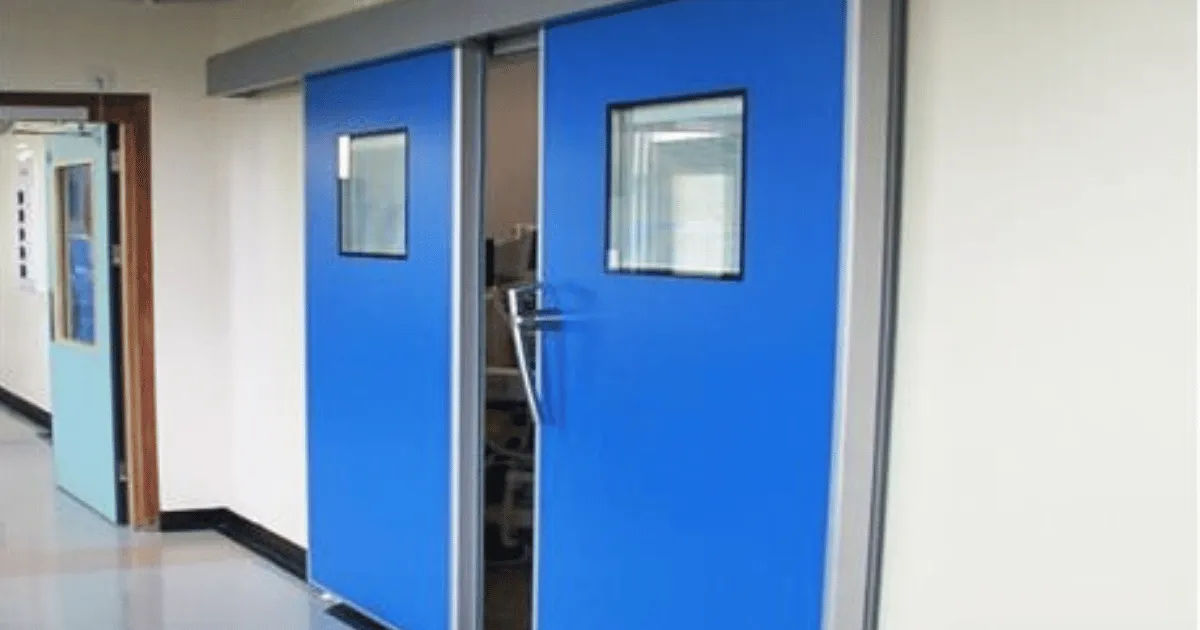
These doors are not ordinary entrances; they are specially designed systems that help control infection, maintain air pressure, improve security, and support smooth medical operations.An operation theater is one of the most sensitive areas in a hospital because even a small amount of contamination can create serious risks for patients.
Operation Theater Doors help create a protected environment by limiting the movement of dust, bacteria, and unwanted particles. They ensure that surgeons, nurses, and medical staff can perform procedures in a clean and controlled space.
Understanding the importance of these specialized doors helps hospital planners, architects, and healthcare administrators make better decisions when designing safe medical facilities.
What Are Operation Theater Doors?
Operation Theater Doors are specially manufactured doors used in surgical rooms and other critical areas of hospitals. They are designed according to healthcare standards and are built to provide better protection than regular doors.
These doors are usually made from durable materials such as stainless steel, aluminum, or specially coated panels that can withstand frequent cleaning and disinfecting procedures. Their design focuses on hygiene, durability, and ease of operation.
Unlike normal hospital doors, these doors are created to minimize contamination risks and maintain the environmental conditions required inside operating rooms.
Importance of Operation Theater Doors in Hospitals
1. Maintaining Infection Control
The primary purpose of Operation Theater Doors is to reduce the risk of infections. During surgery, patients are highly vulnerable because their bodies may be exposed to external environments.
These doors create a barrier between the operating room and surrounding areas. They prevent airborne particles, dust, and microorganisms from entering the surgical environment.
Hospitals follow strict infection control procedures, and properly designed doors support these efforts by maintaining a cleaner operating area.
A well-sealed door reduces unnecessary air movement and helps prevent contamination from outside sources.
2. Supporting Clean Room Standards
Operating theaters are designed as controlled environments where temperature, humidity, and air quality must be carefully managed.
Operation Theater Doors help maintain these conditions by preventing unwanted air exchange. Many surgical rooms use advanced ventilation systems, including positive pressure airflow, to keep contaminated air away from the operating area.
If a door does not close properly or lacks proper sealing, it can affect the performance of these systems.
High-quality surgical doors support the overall function of clean room technology and help hospitals maintain required safety standards.
How Operation Theater Doors Improve Patient Safety
Reducing the Spread of Harmful Microorganisms
During medical procedures, infection prevention is one of the biggest priorities. Bacteria and viruses can spread through air movement, human contact, and contaminated surfaces.
Specialized Operation Theater Doors are designed with smooth surfaces and fewer gaps where microorganisms can collect. This makes cleaning easier and reduces potential infection points.
Their airtight construction helps maintain a safer environment for patients undergoing surgery.
Providing Controlled Access
Operating rooms should only be accessed by authorized medical personnel. Too much movement in and out of a surgical room increases contamination risks.
Operation Theater Doors often include access control features that allow hospitals to manage entry efficiently.
Some advanced doors can be connected with security systems, card readers, or automatic sensors. This ensures that only approved staff members can enter restricted areas.
Controlled access improves patient safety and helps maintain surgical discipline.
Types of Operation Theater Doors
Manual Operation Theater Doors
Manual doors are commonly used in many healthcare facilities. They are operated by healthcare workers and are designed with strong hinges, durable materials, and easy-to-clean surfaces.
These doors are cost-effective and suitable for hospitals where automatic systems are not required.
However, proper maintenance is necessary to ensure smooth operation and effective sealing.
Automatic Operation Theater Doors
Automatic doors are becoming increasingly popular in modern hospitals. They open and close using sensors, reducing the need for physical contact.
This feature is especially useful in operating rooms because medical staff may have sterile gloves or equipment in their hands.
Automatic Operation Theater Doors improve convenience while reducing unnecessary contact with door surfaces.
Sliding Operation Theater Doors
Sliding doors are often preferred for surgical areas because they save space and provide smooth movement.
They are especially useful in hospitals with limited space or high patient movement.
Sliding designs can also reduce disruption because they open quietly and require less effort compared to traditional swing doors.
Key Features of High-Quality Operation Theater Doors
Airtight Sealing
One of the most important features of surgical doors is proper sealing.
Airtight doors prevent unwanted air leakage and help maintain pressure differences between operating rooms and nearby areas.
This feature supports infection control and improves the effectiveness of hospital ventilation systems.
Easy-to-Clean Surfaces
Hospitals require frequent cleaning and disinfection. Therefore, Operation Theater Doors must have surfaces that can handle strong cleaning chemicals.
Smooth finishes prevent dust accumulation and make sanitation easier.
Materials like stainless steel and specially coated panels are commonly selected because they are durable and hygienic.
Durability and Long-Term Performance
Operating rooms experience frequent usage every day. Doors must be able to handle repeated opening and closing without losing performance.
Strong construction ensures that hospitals do not face frequent repairs or replacements.
Durable doors provide better value and reliability over time.
Noise Reduction
A peaceful environment is important in hospitals, especially near surgical areas.
High-quality Operation Theater Doors can help reduce noise transmission, creating a calmer environment for patients and medical teams.
Reduced noise also helps healthcare professionals maintain focus during important procedures.
Role of Operation Theater Doors in Hospital Workflow
Hospitals depend on efficient movement between departments. Surgical areas require a balance between accessibility and protection.
Operation Theater Doors support workflow by allowing medical teams to move equipment, patients, and supplies while maintaining controlled conditions.
Automatic and sliding door systems improve efficiency because staff members can move quickly without unnecessary delays.
Smooth workflow is especially important during emergencies when every second matters.
Why Material Selection Matters for Operation Theater Doors
The material used in surgical doors directly affects their performance.
Stainless steel is widely used because it is strong, corrosion-resistant, and easy to sanitize. Other materials may also be selected depending on hospital requirements and budget.
The right material should provide:
- High durability
- Resistance to cleaning chemicals
- Smooth surface quality
- Long operational life
- Strong hygiene performance
Choosing the correct material helps hospitals maintain safety standards while reducing maintenance costs.
Maintenance Requirements for Operation Theater Doors
Even the best-quality doors require regular maintenance. Proper maintenance ensures that doors continue to provide protection and operate smoothly.
Hospitals should regularly inspect:
- Door sealing performance
- Automatic sensors
- Hinges and moving parts
- Surface damage
- Closing mechanisms
Regular cleaning is also necessary to remove contaminants and maintain hygiene.
A poorly maintained door may fail to provide the protection expected in a surgical environment.
Benefits of Installing Quality Operation Theater Doors
Better Infection Prevention
Quality doors reduce contamination risks and support hospital infection control programs.
Improved Hospital Reputation
Hospitals with advanced infrastructure demonstrate their commitment to patient safety and modern healthcare practices.
Increased Staff Efficiency
Easy-to-use doors help medical teams work faster and more comfortably.
Lower Maintenance Costs
Durable doors require fewer repairs and replacements, helping hospitals save money over time.
Enhanced Patient Confidence
Patients and their families feel more confident when they know healthcare facilities follow strict safety measures.
Factors to Consider When Choosing Operation Theater Doors
Hospitals should consider several factors before selecting surgical doors.
Hospital Requirements
Different hospitals have different needs based on their size, surgical departments, and patient volume.
Safety Standards
Doors should meet healthcare safety guidelines and provide reliable performance.
Installation Quality
Professional installation is important because even high-quality doors may not work correctly if installed improperly.
Budget Planning
Hospitals should balance cost with quality. Choosing cheaper options may lead to higher maintenance expenses in the future.
Future Trends in Operation Theater Doors
Healthcare technology continues to improve, and surgical doors are becoming more advanced.
Modern hospitals are adopting smart door systems with features such as:
- Touchless operation
- Digital access control
- Improved sealing technology
- Energy-efficient designs
- Integration with hospital management systems
These innovations help create safer and more efficient healthcare environments.
Conclusion
Operation Theater Doors are an essential part of modern hospital infrastructure. They provide more than simple access to surgical rooms; they help maintain hygiene, control infection risks, support ventilation systems, and improve overall patient safety.
A well-designed operation theater requires every component to work together effectively. From surgeons and medical equipment to ventilation systems and specialized doors, each element contributes to successful healthcare delivery.
Investing in high-quality Operation Theater Doors allows hospitals to create safer environments for patients and medical professionals. Their role in infection control, security, and workflow management makes them a necessary feature in every advanced healthcare facility.
As hospitals continue to focus on better patient outcomes and improved safety standards, the importance of reliable surgical doors will continue to grow.